I'm supposed to be sad the gay bar is dying, and I am. Just not the way you'd guess.
Here's my confession: I never went to one when I was young. Not because I didn't want to. Because I couldn't. I was in the closet in Santiago, and I wanted that room so badly it ached. I was a Cheers kid. I wanted a place where everybody knows your name, except I wanted it full of us. There's an episode where the regulars panic that Cheers might turn into a gay bar, and I loved it, because some quiet part of me was sitting there thinking, God, I hope so. Take me there.
What I actually got was the edges of it. Blondie, the mythical club in Santiago, which wasn't ours exclusively but let me breathe. The Kitsch parties, mixed crowds, not gay only, where I first felt a whole room tilt toward me. The gay bar itself stayed on the other side of a door I couldn't walk through yet.
So when the headlines say the gay bar is disappearing, I feel it from a strange seat. Gay bars in the U.S. are down roughly 37% since 2007, and the bars that held our guys hardest took the deepest cuts. Bars serving queer men of color are down around 59%, and cruisy men's bars were among the hardest hit of all (Mattson study, Boston Review, LGBTQ Nation). The corner that raised a whole generation is going dark, often the only bar in town.
And here's my particular heartbreak. By the time my closet door finally opened, the bar door was already closing. I get to walk in at last, and the lights are going out.
Why the bar mattered, especially to the ones locked outside it
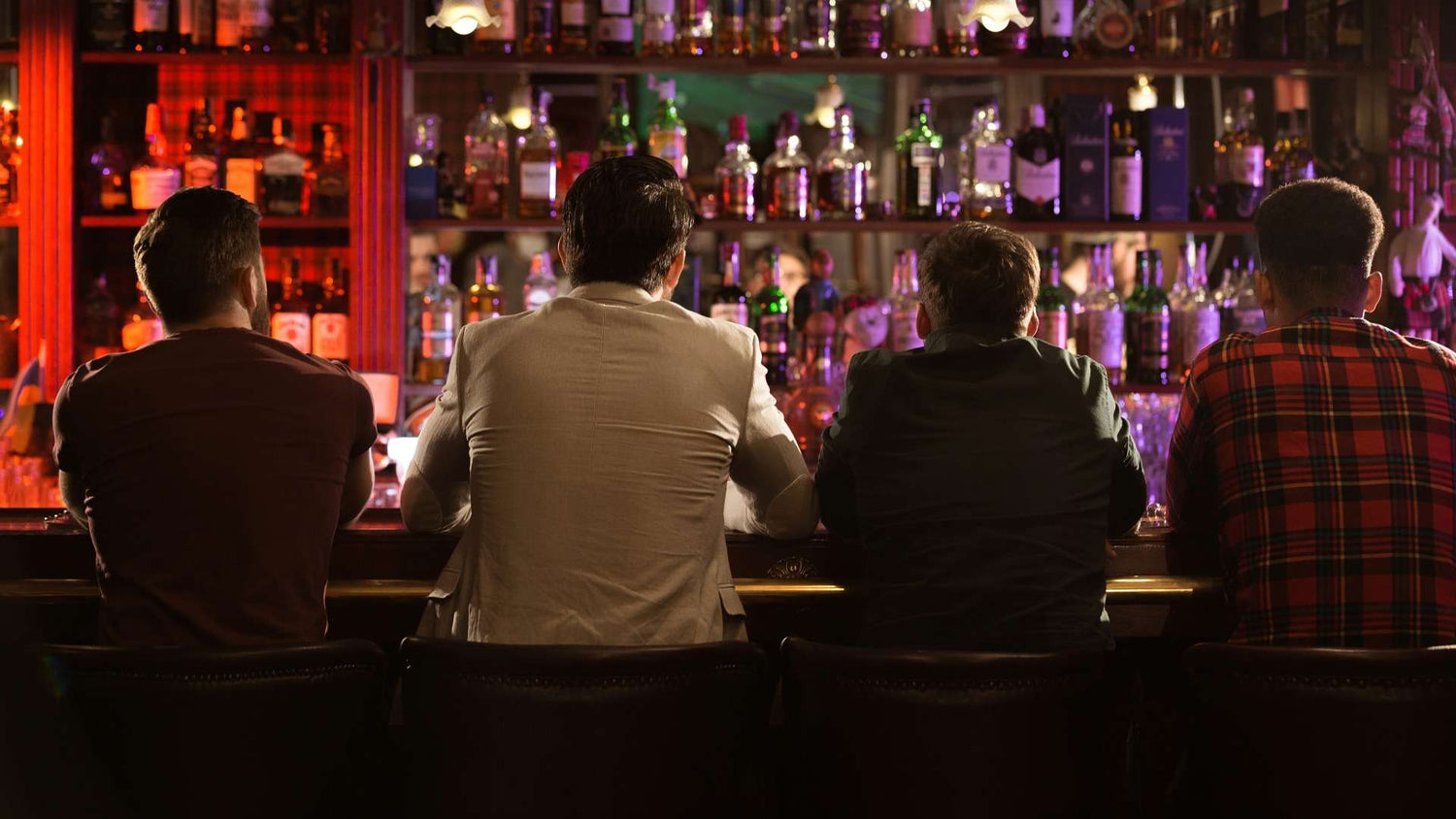
For the guys who had it, the bar was the one room where you could stop scanning the exits. Sociologists call it a third place, the spot that's not home and not work, the one where you just get to be. It's where a generation came out, found chosen family, and learned the unwritten rules. The drinks were never the point.
I knew all of that from the outside, nose against the glass. You want a thing that badly precisely because you can see exactly what it does. My little Blondie was a smaller version of it, a place I could exhale. So when I tell you the tribe was never the building, understand I'm not waving off what the building did. I wanted the building more than most people who got to stand inside it. I just had to learn what it was really made of, because I couldn't get in the front door.
What killed it, and what didn't
The honest list is long. The apps. Rising rents. The pandemic. And yes, mainstream acceptance too (Boston Review, LGBTQ Nation). That last one is the tender one, because acceptance is a real win and I'm not going to pretend it isn't. But it scattered us. We got let into everywhere, and we lost the one place that was only ours. Somebody handed us the whole city and quietly took back our single room.
The apps swapped that room for a grid. Convenient, sure. But you can't walk into a grid and have it clock you. Nobody ever felt a club door swing open and thought, ah, this feels just like my notifications. A grid is a menu. A room is a welcome.
Notice what's not on the list of what killed it, though. Us. The people didn't disappear. Only the venue did.
I found the room anyway. That's the whole point.
Here's the plot twist the closet never saw coming. I wanted the bar. I never got the bar. And I built a tribe anyway.
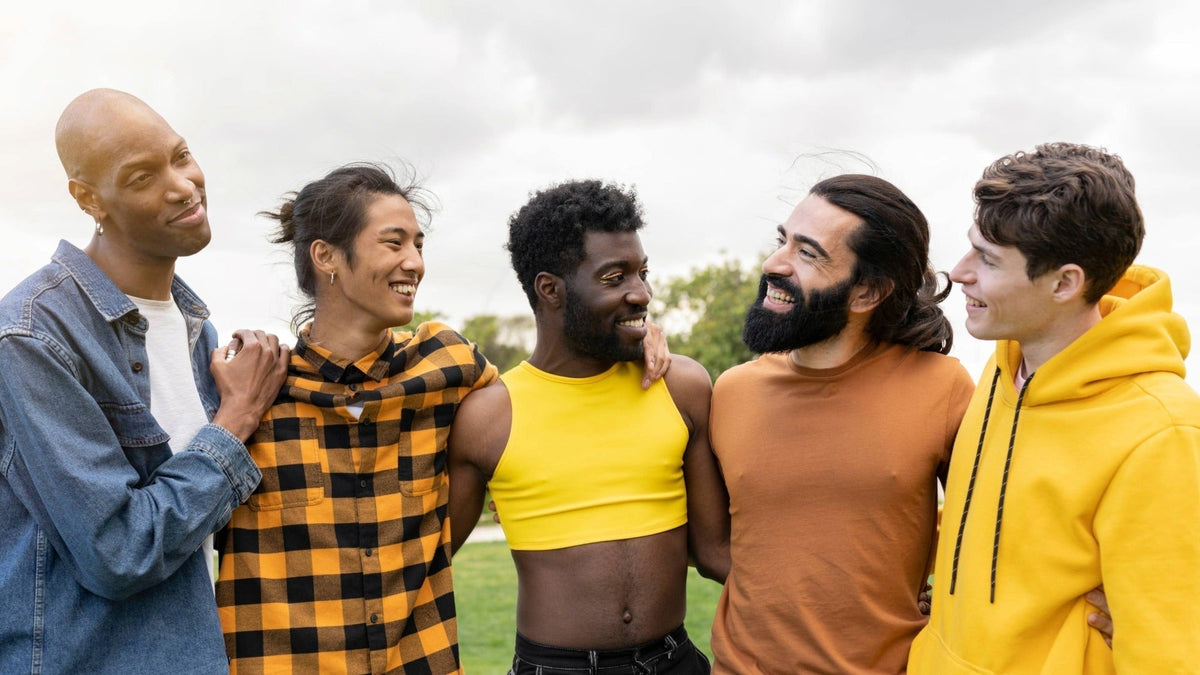
It came through those mixed rooms in Santiago. Through friends. Through the work. Through this brand, and through the guys in the Hunky Tribe gallery who I've never once shared a drink with and absolutely claim as mine. The thing I was sure only the bar could give me, I got without ever setting foot in one. Chosen family was always the real venue. The bar was just one address it used to keep.
Then, recently, Montreal. I walked through the Village and felt the exact thing I ached for as a closeted kid. Community out in the open. Not behind one guarded door but spread across a whole neighborhood, people clocking each other on the sidewalk, at the cafe, in line for the crossing. And it hit me: it wasn't one bar. It was a street. The Cheers I wanted turned out to be bigger than a bar with a cover charge. It can be a neighborhood. A gallery. A group chat. A brand.
So if closeted me could find his people from behind a locked door, the guy grieving his last bar can find his too. We have rebuilt after far, far worse than a lease running out. This is the thing our people have always done.
Make your own room
Which brings me to the only real instruction in all of this. You don't wait for someone to open a venue. You become one.
Start the brunch. Host the game night. Claim a regular table somewhere and become the standing invite, the guy the new guy gets pointed toward. The third place was never a building permit. It was a decision somebody made to keep showing up in the same spot until other people knew to look for them there.
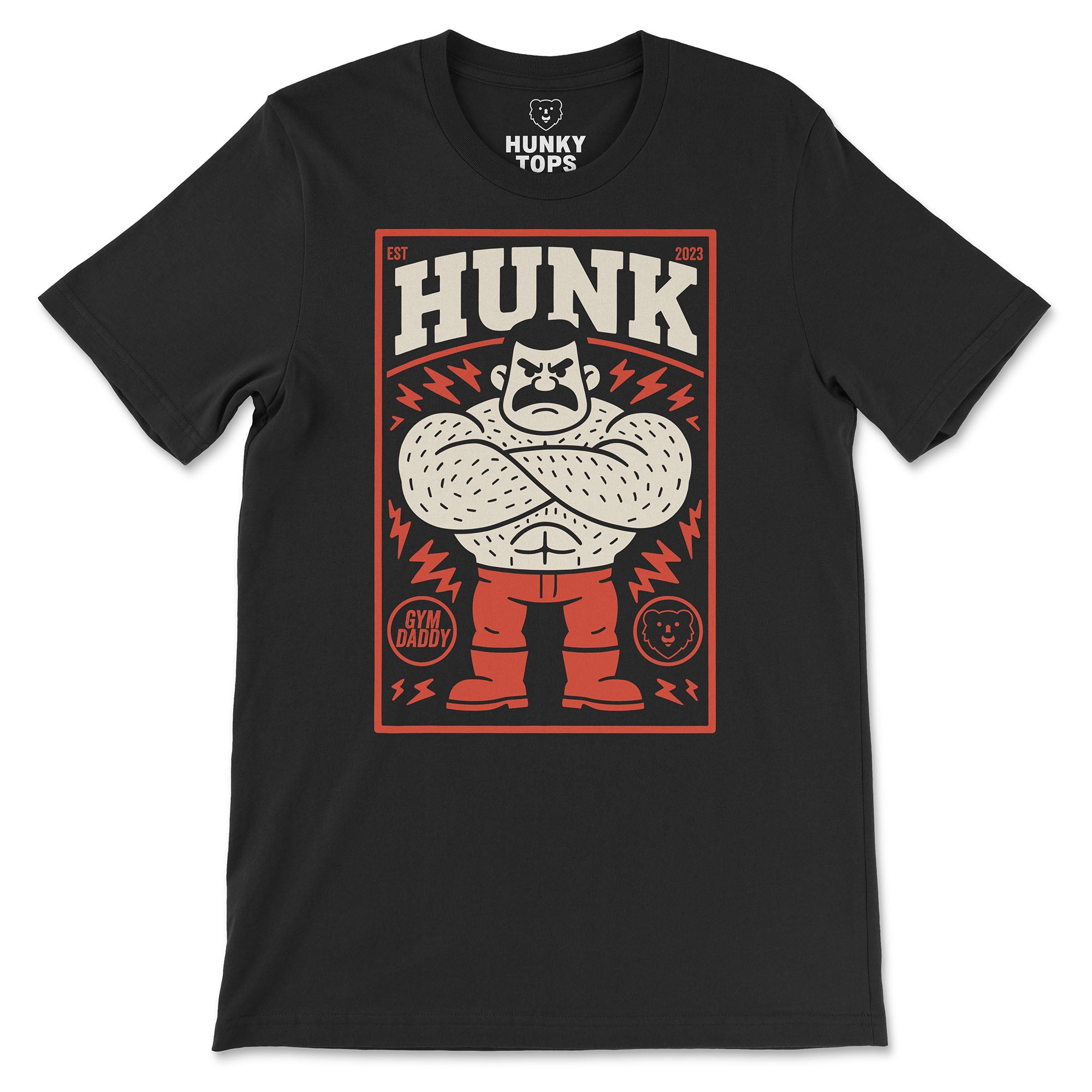
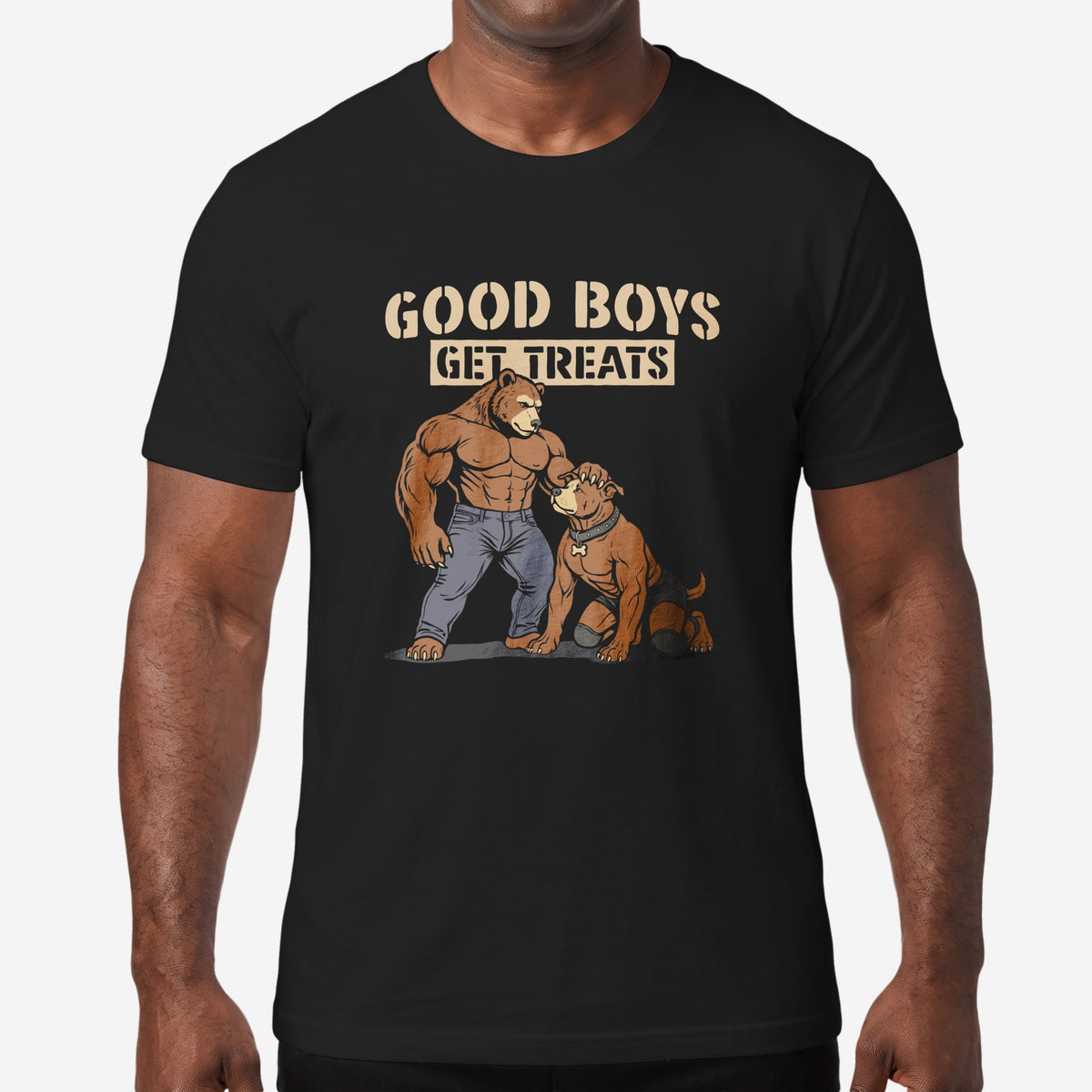
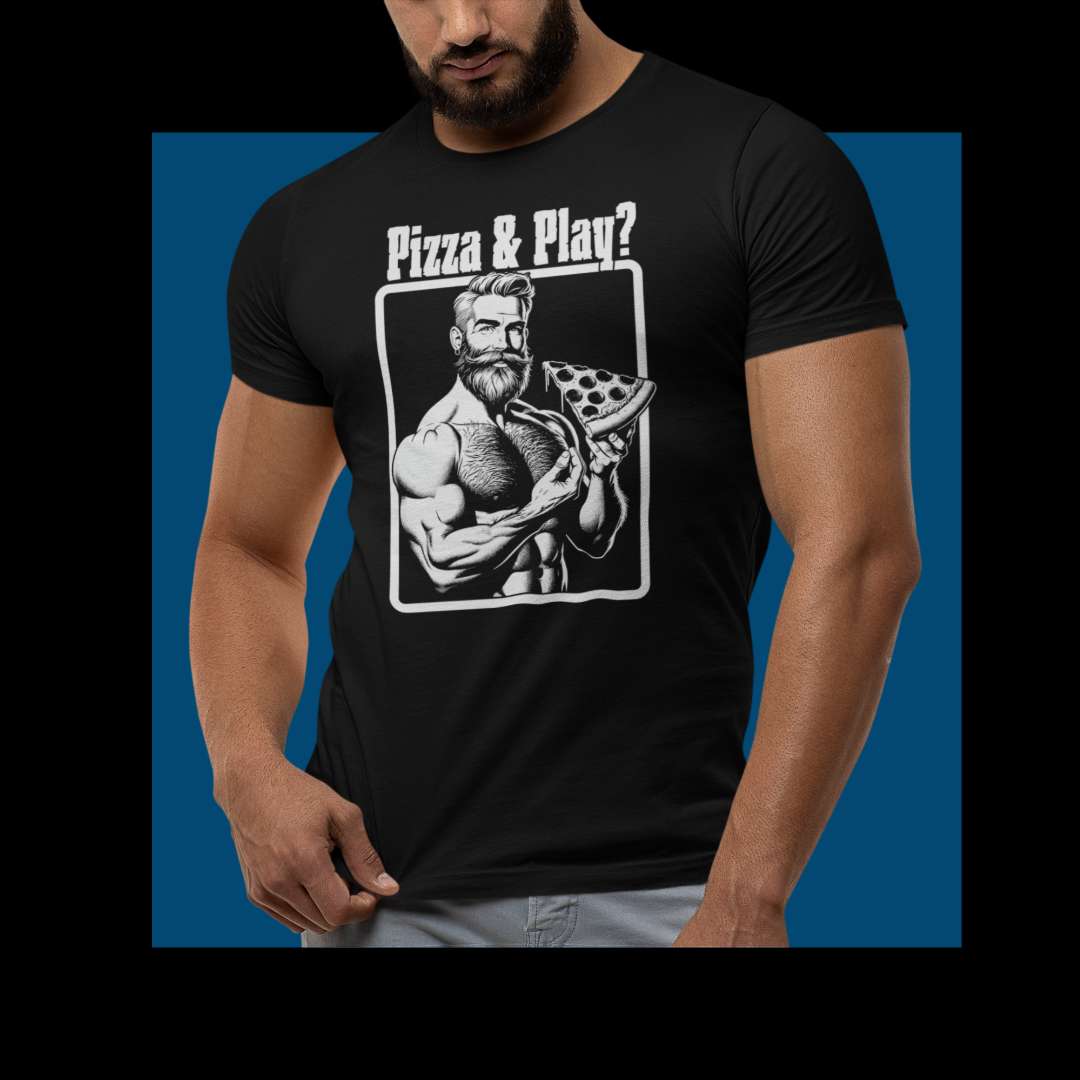
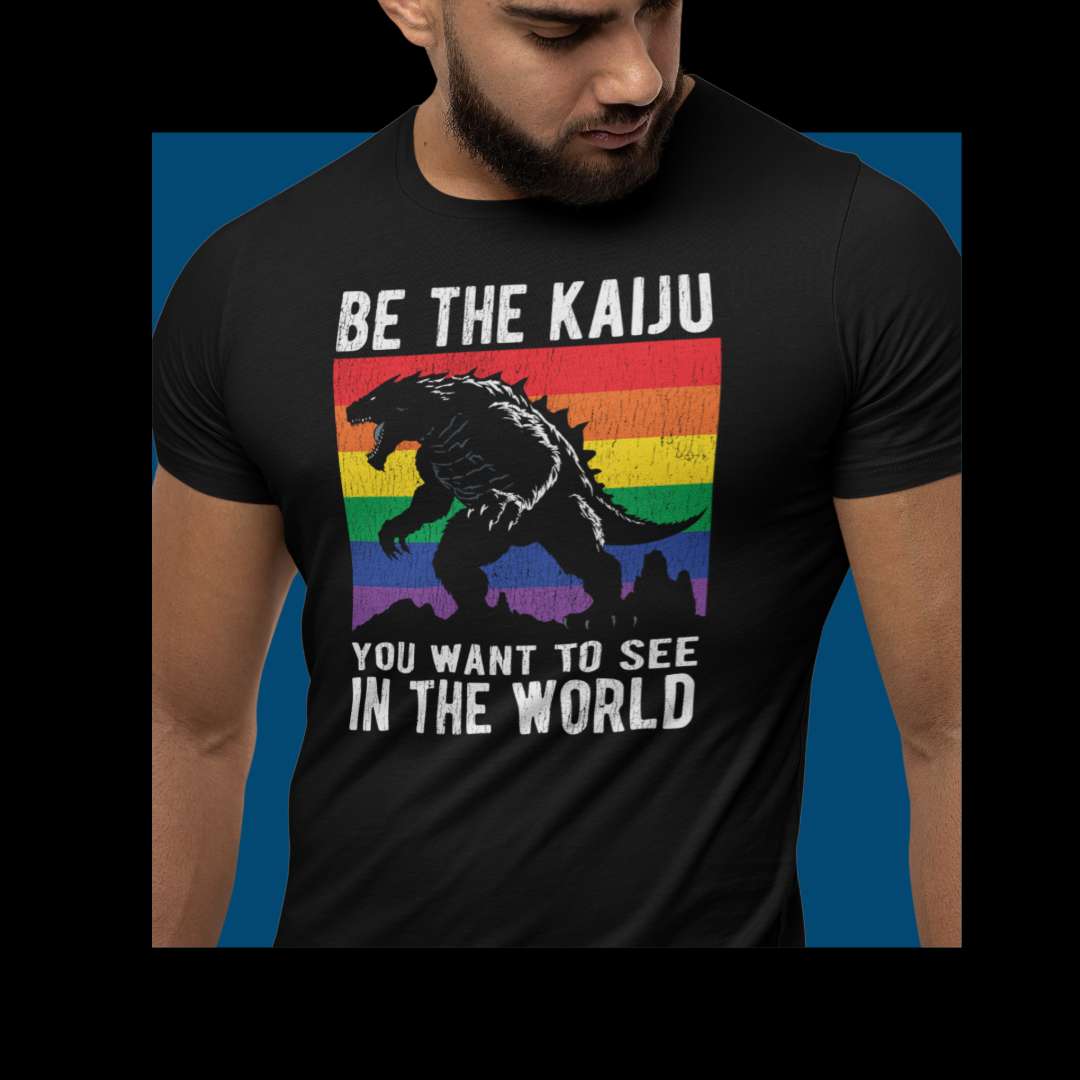
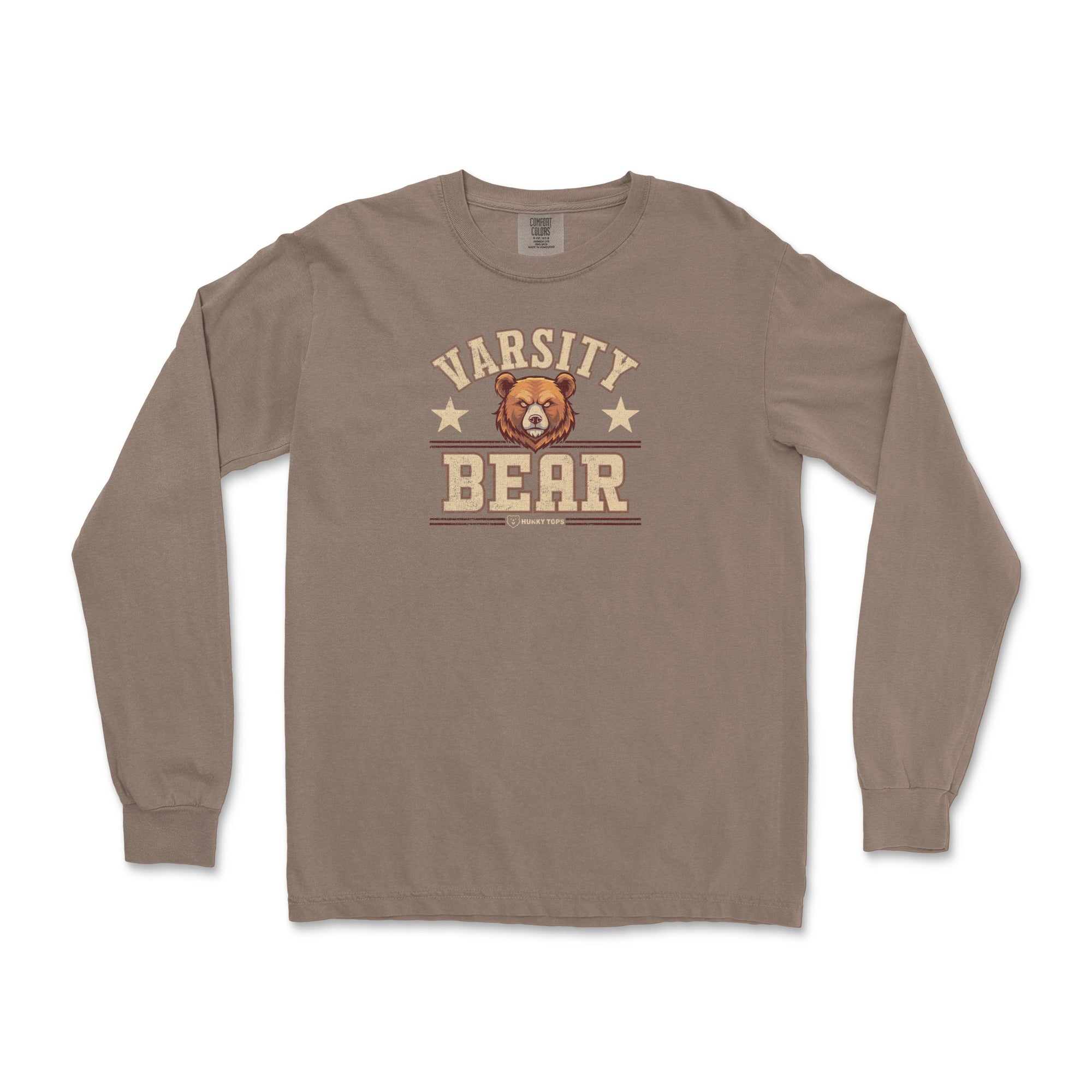
And here's the small one, the one that's ours. A shirt that gets clocked across a room is its own tiny third place. It's the thing that makes a stranger at the farmers market look twice and say, wait, where did you get that. That's a door opening. That's the bar doing its one true job, getting two of our guys talking who might otherwise have walked right past each other.
They keep closing the bars. They can't close us. The next gay third place might be your stoop, your group chat, or whoever clocks your shirt across the farmers market and asks where you got it.
But I've told you my whole story from outside the glass, so now I want yours. What was the gay bar to you? Did you love it or did you hate it? Did you walk in and finally feel like you were home, or did you stand at the edge of the room feeling more out of place than ever? Was there one bar that made you, or one that never let you in? I never got mine, so I'm honestly asking. Tell me in the comments. I read them.
I never got my Cheers. I got something the closet could never lock: a tribe that travels. Come add your name to it.
Stay Hunky.