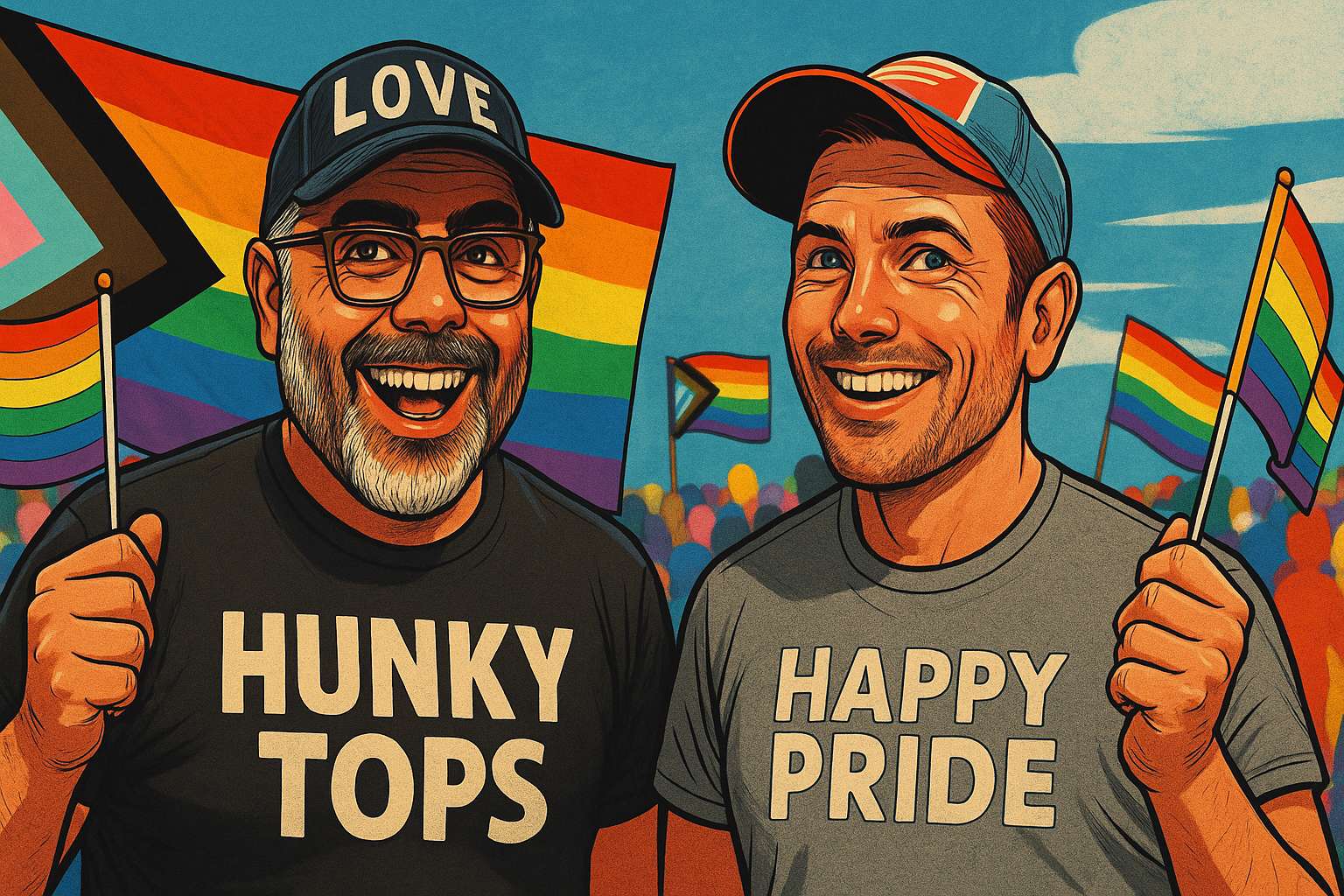
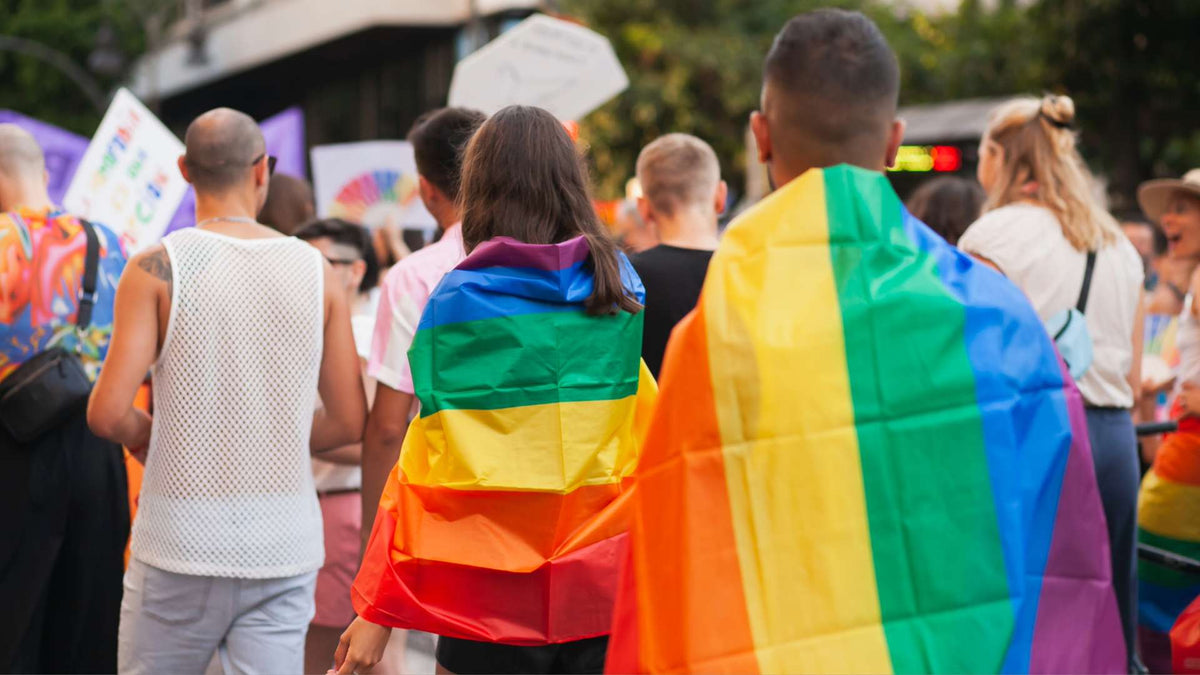
This weekend I'm going to Pride. Twice, actually. One festival in Hallowell and one in Waterville, both right here in Central Maine. Small-town Pride, the kind where you recognize half the crowd and the other half recognizes your shirt.
I'll be honest with you. I haven't racked up decades of these. I've never marched in a big-city parade with a million people and a helicopter overhead. So I'm not here to tell you my war stories. But a lot of you have the receipts. You've done this enough times to have a whole archive in your head. First Prides. Best Prides. The one where it rained and nobody cared. The one where you cried in the middle of the street and couldn't have told anyone exactly why.
So let's walk through that archive. Your first Pride, your most recent one, and everything that shifted in between.
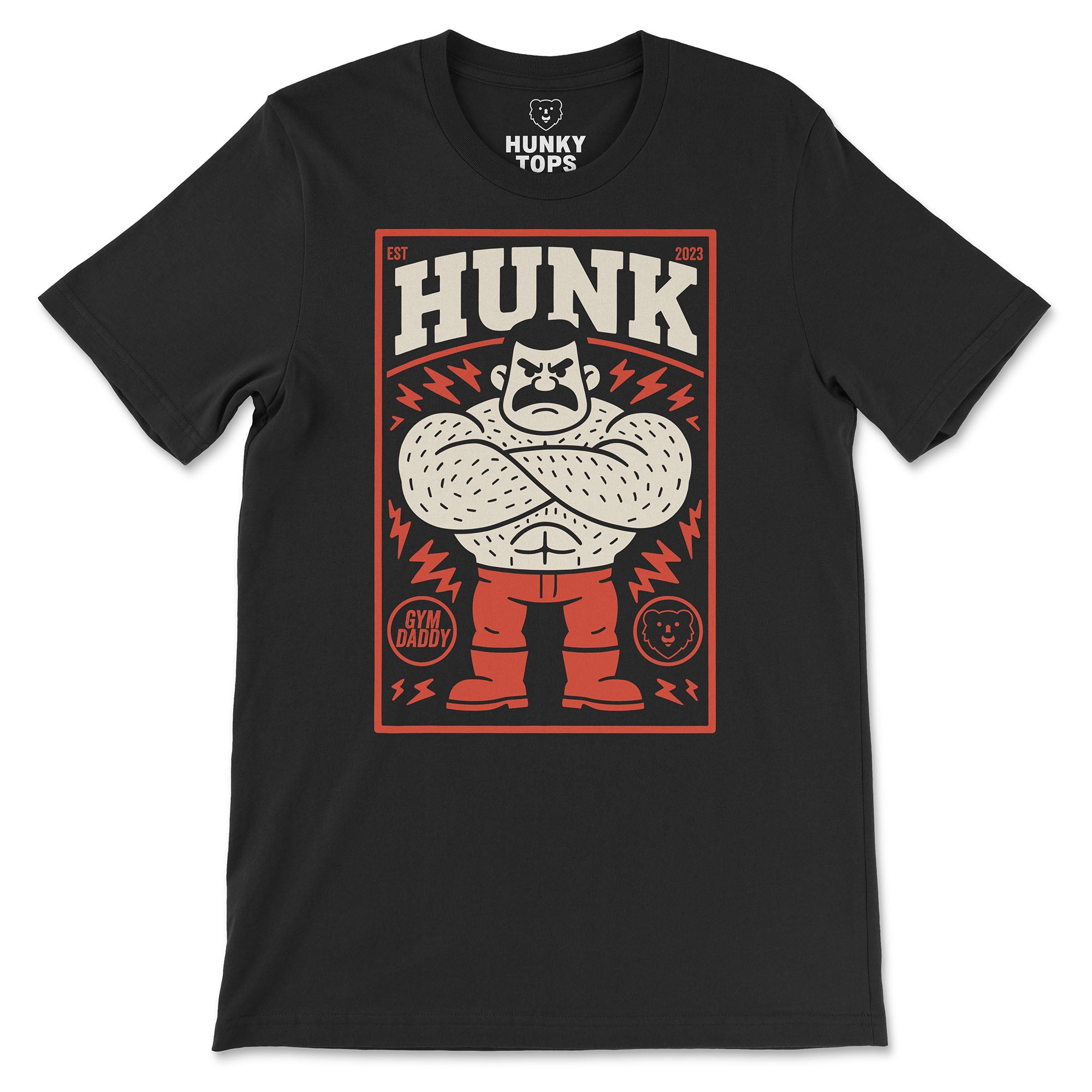
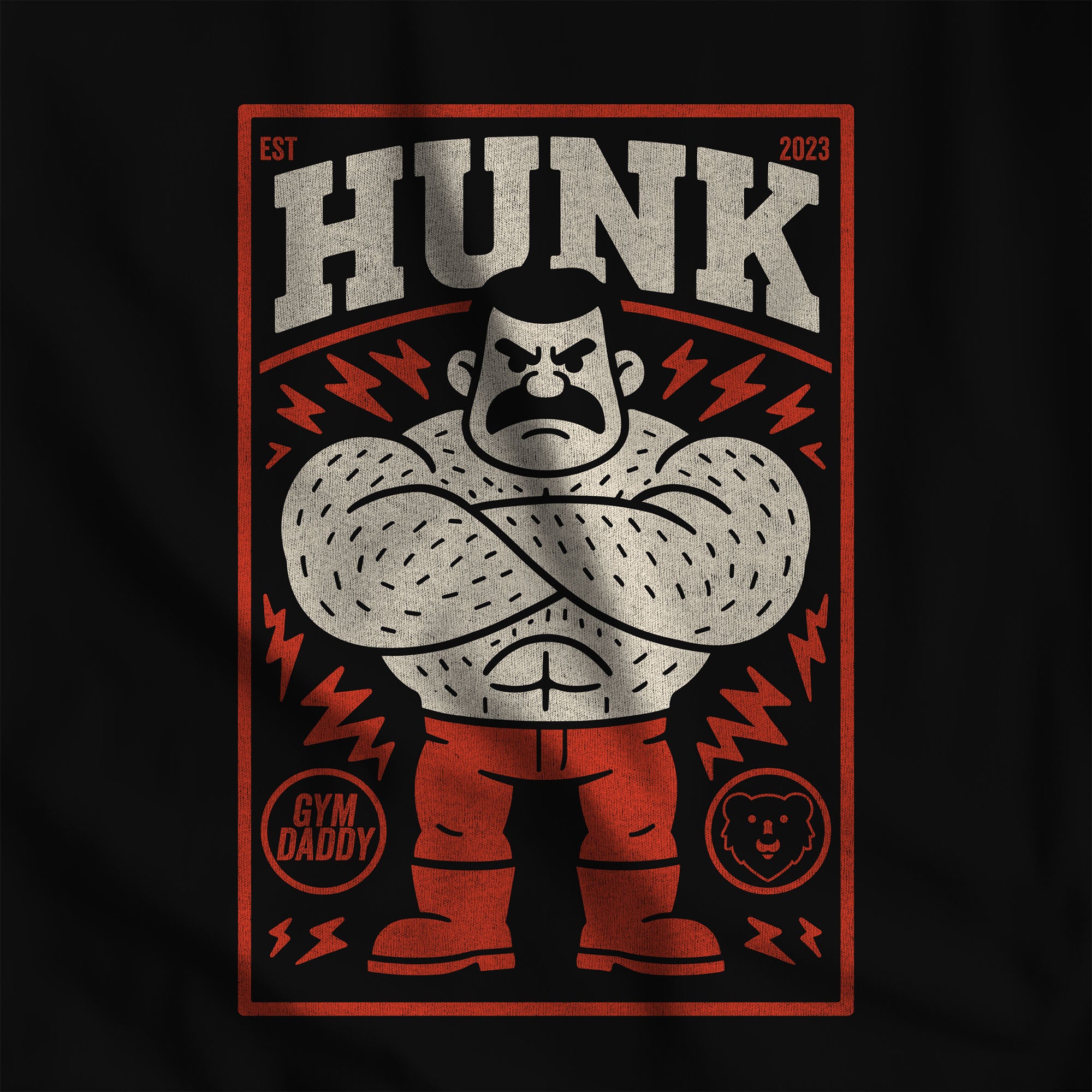
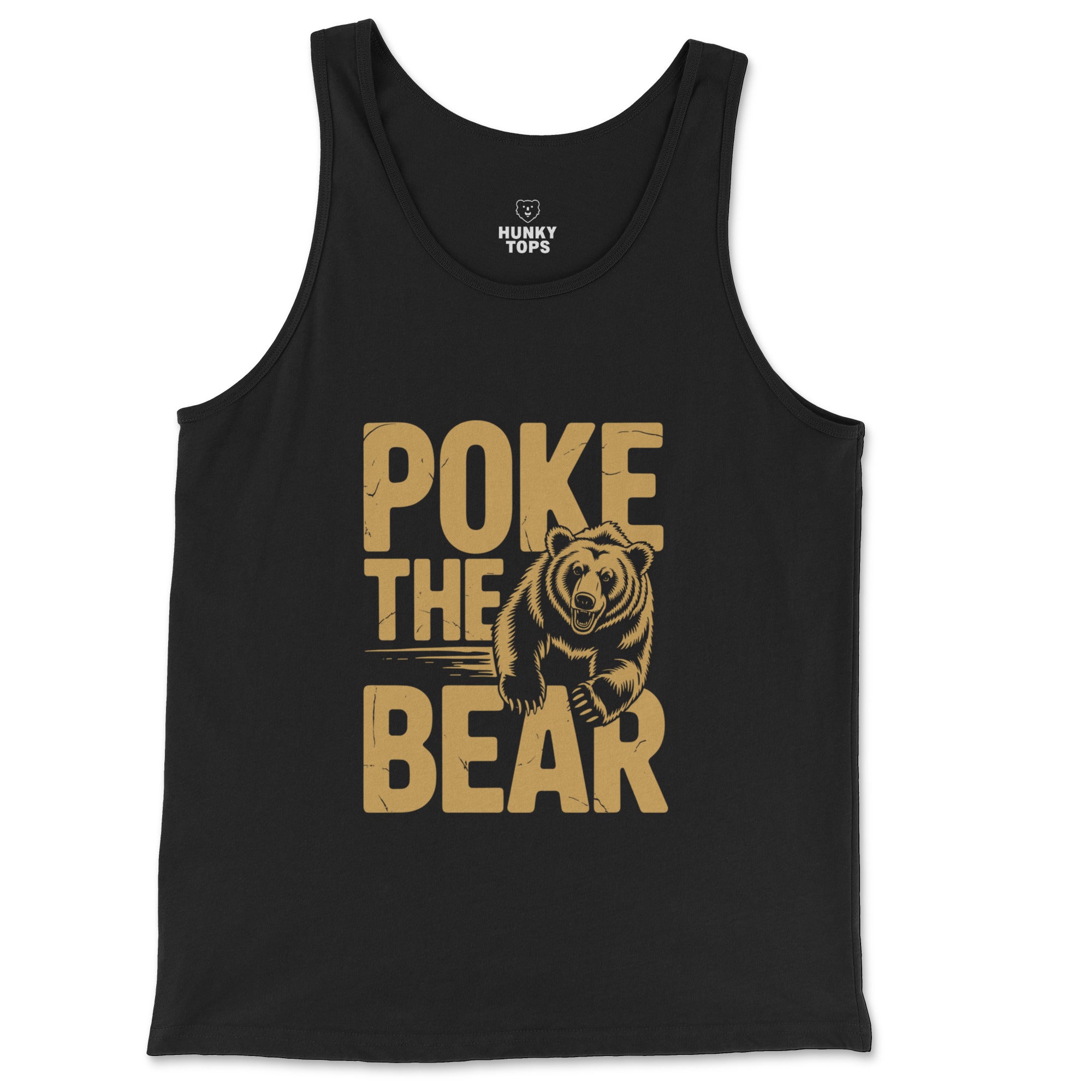
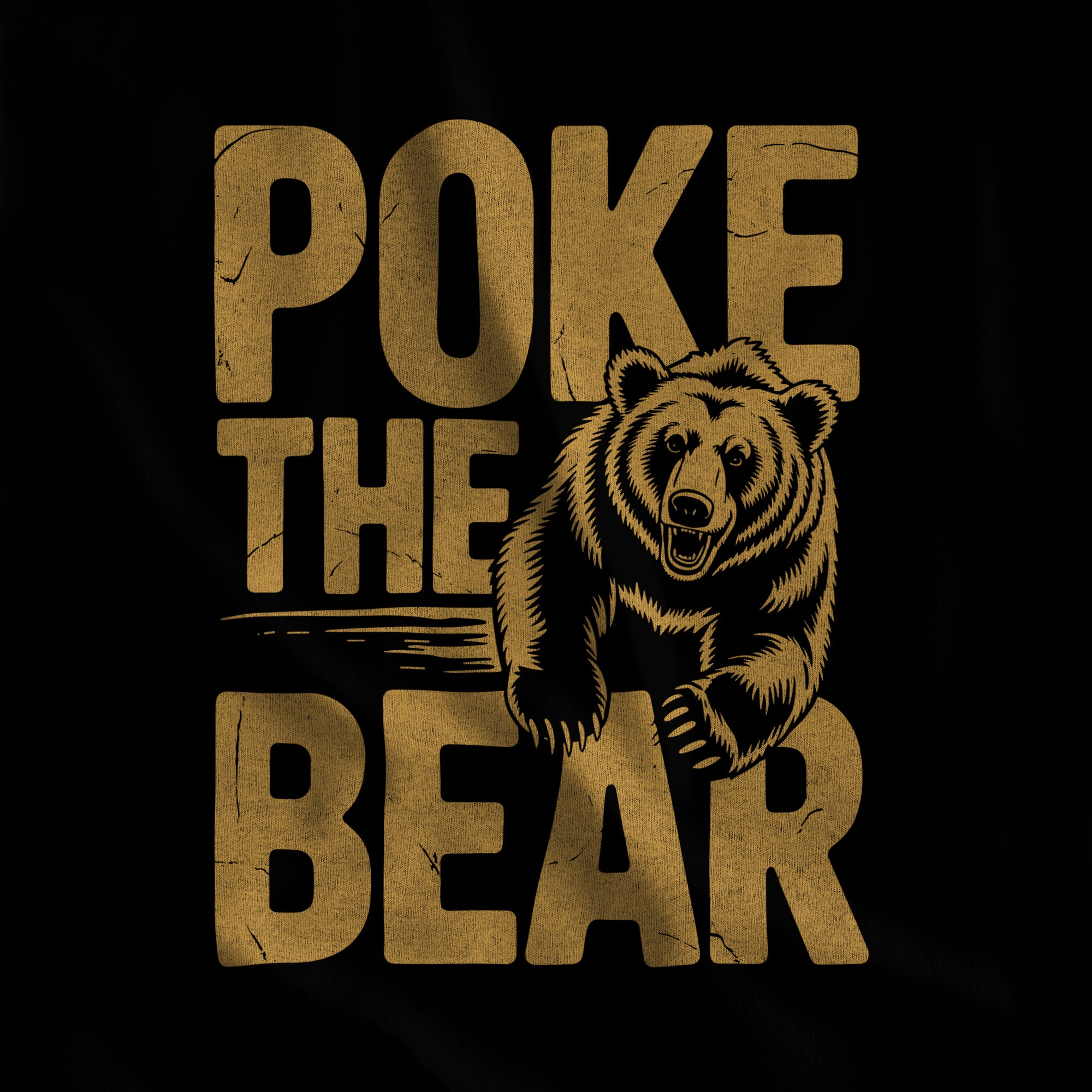
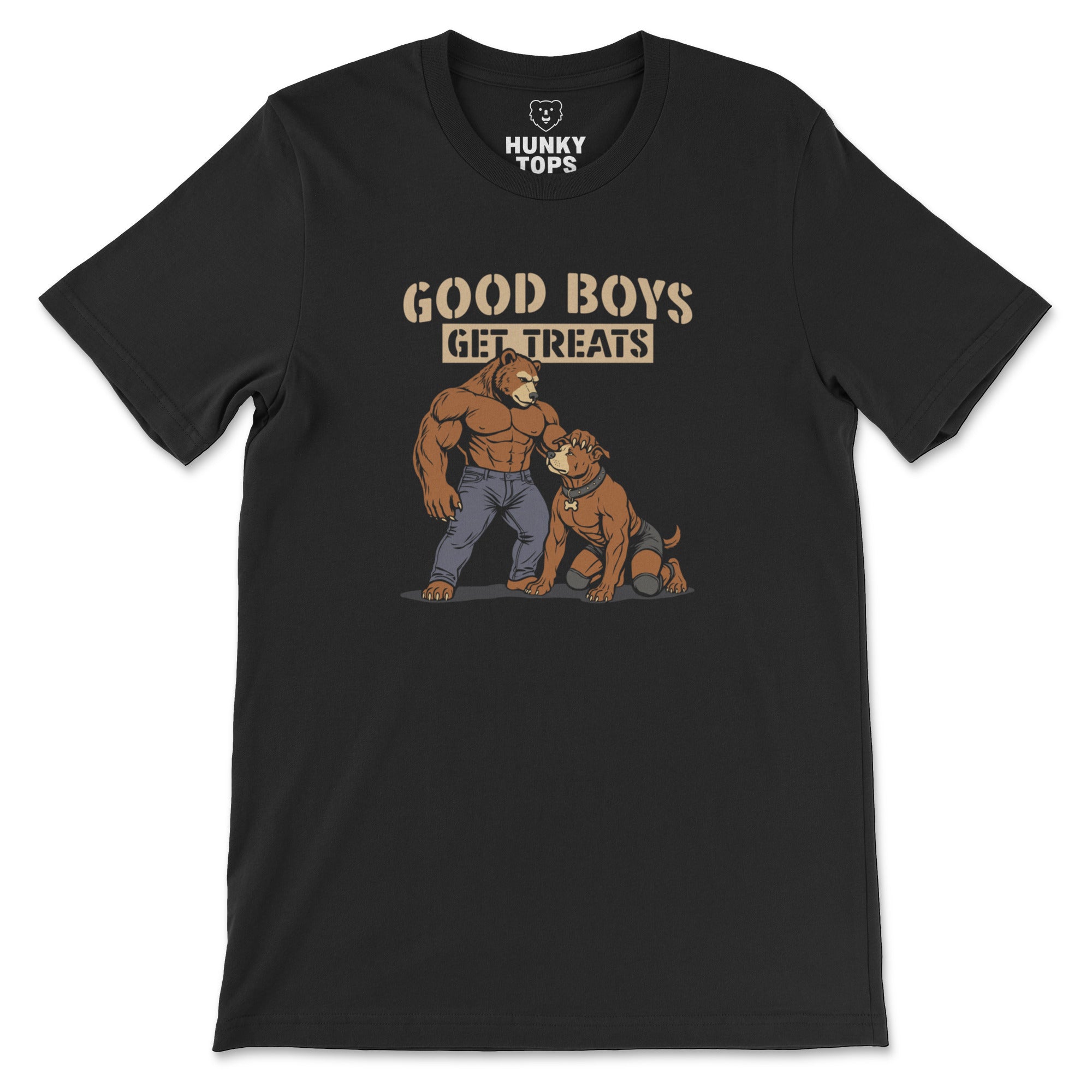
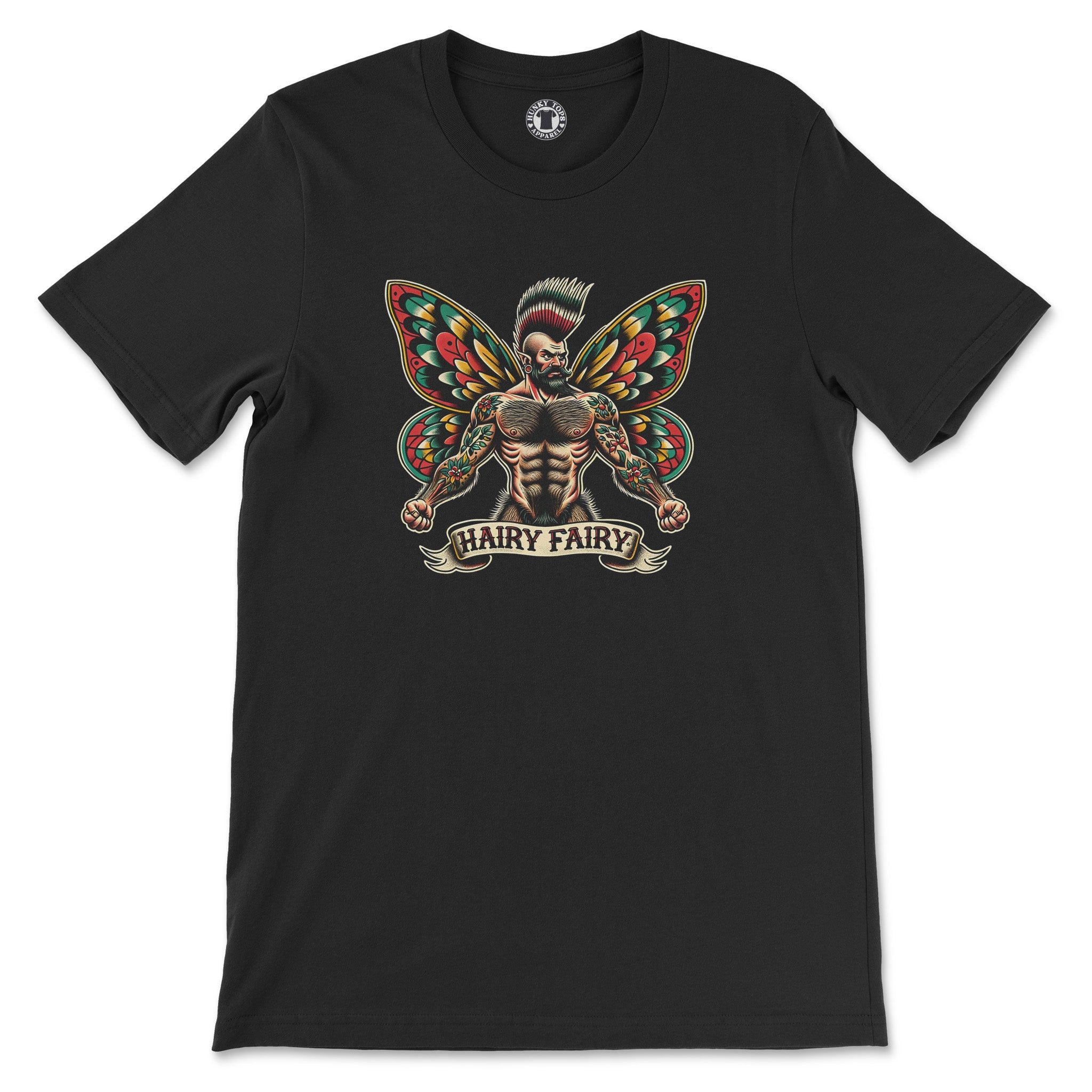
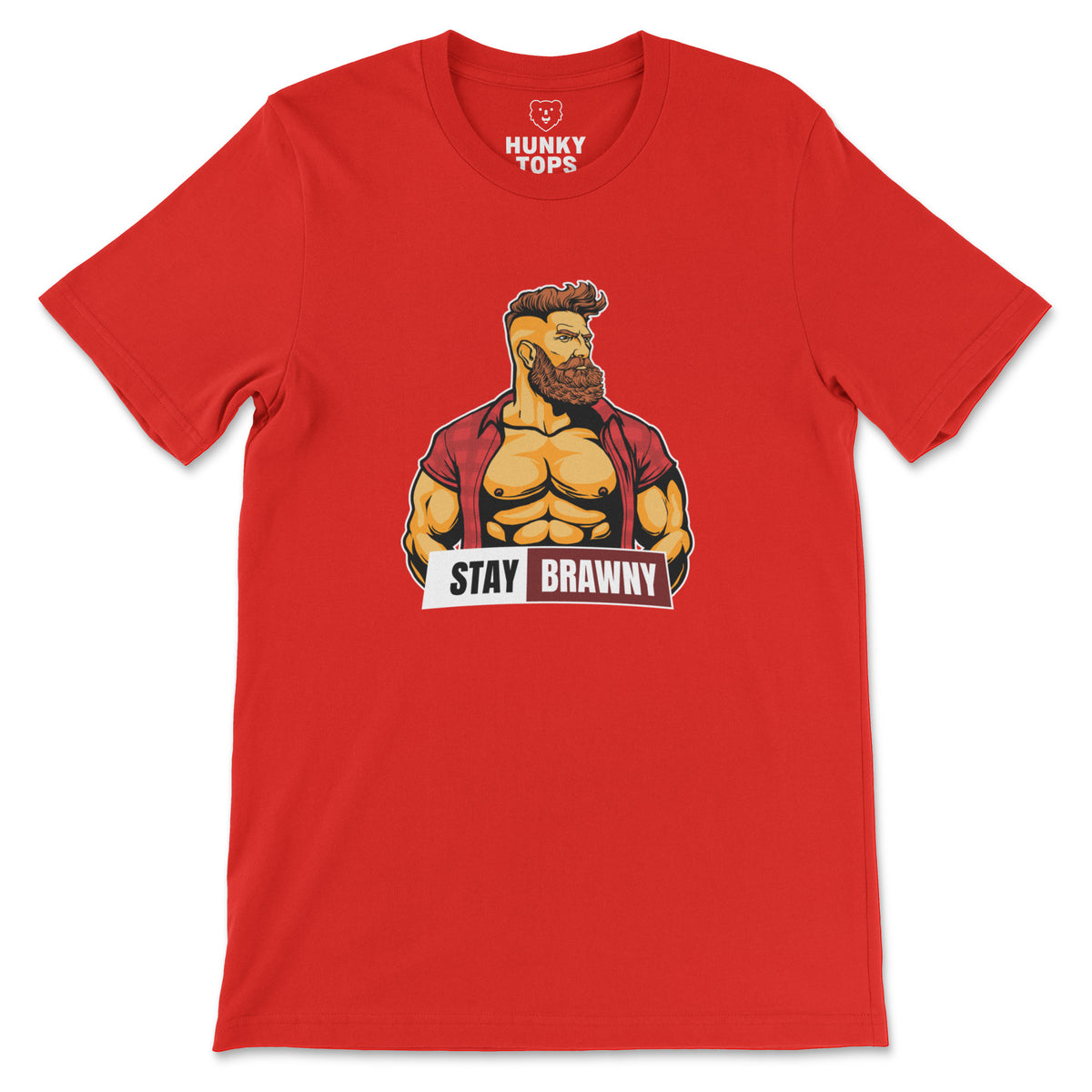
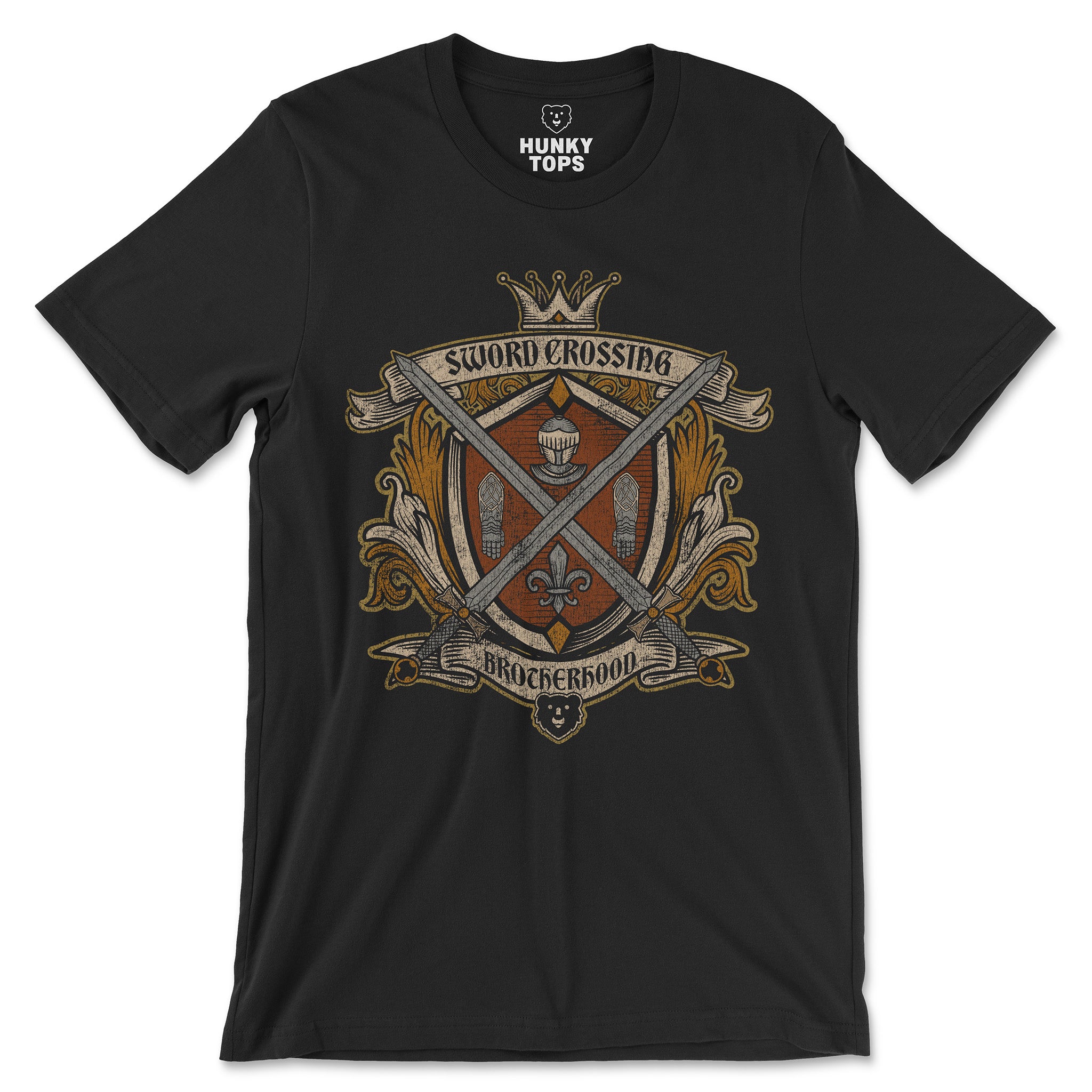
Featured product:
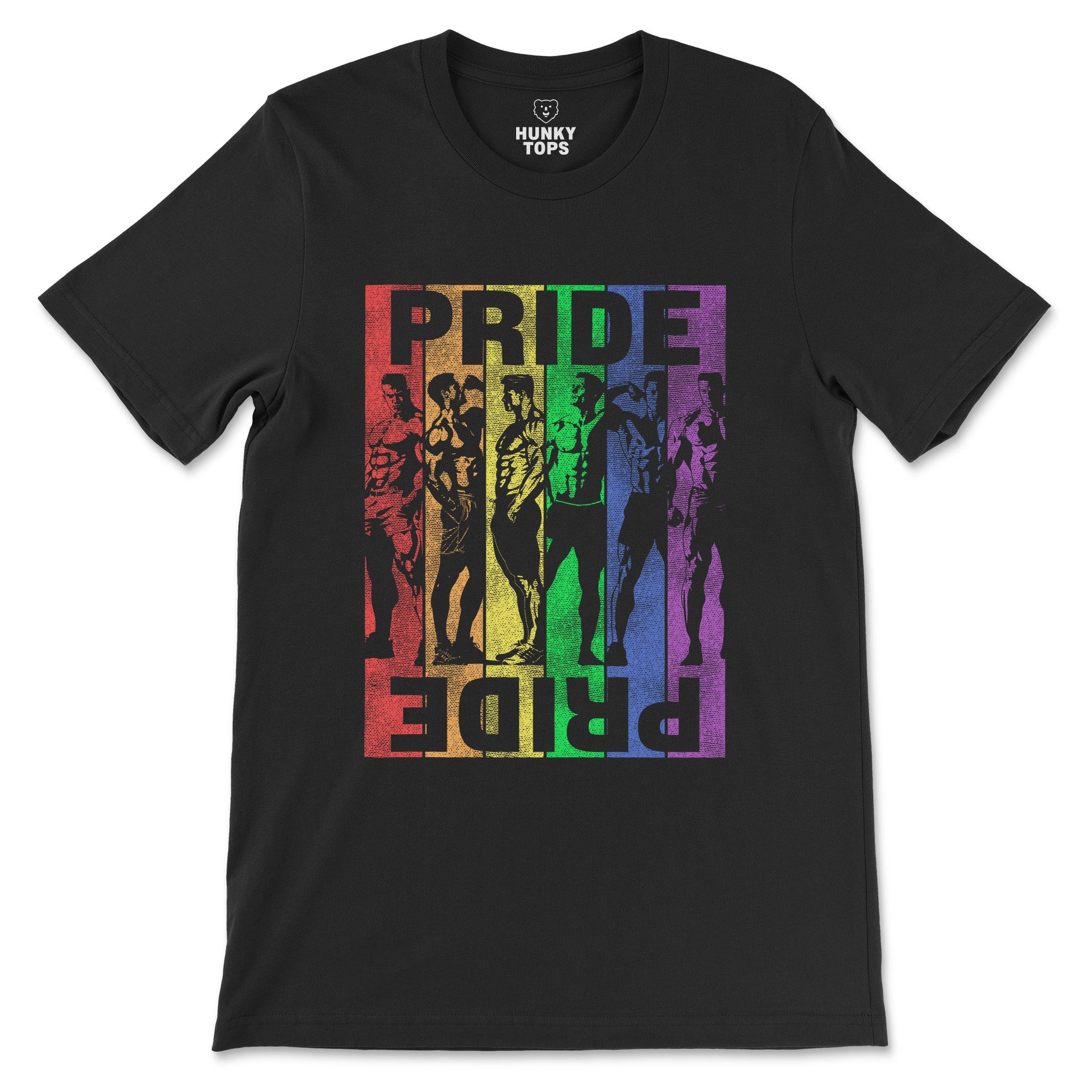
The First Time You Stood on the Sideline
Before you marched, you watched.
A lot of guys started there. On the sidewalk, not in the street. Close enough to see it, not yet sure you were allowed to want it. Maybe you told yourself you were just curious. Maybe you came with a straight friend as cover. Maybe you stood three people back from the barricade so nobody from work, or church, or home would clock you in the crowd.
There's a specific kind of fear that comes with showing up before you're out. It's not the parade you're afraid of. It's being seen wanting it. Being seen wanting it meant admitting something you weren't ready to say out loud yet.
And then, usually, there was one person. Somebody in the crowd or on a float who looked completely, gloriously unbothered. Older than you. Comfortable in a way you couldn't imagine being. You didn't talk to him. You probably never saw him again. But you remember him, because for about four seconds he made the whole thing feel survivable. He made it look like a life you could actually have.
You can't know it yet, standing on that sidewalk. But one day you're going to be that guy for somebody else.
When You First Walked in the Street (Not on the Sidewalk)
Then there's the year you stepped off the curb.
The date doesn't matter. What you remember is the feeling. The first time your feet were on the actual street, moving with everyone else, part of the thing instead of watching the thing. The pavement feels different when you've decided you belong on it.
You remember what you wore, even if it was ridiculous. You remember who you were with, the friend who dragged you or the one you dragged. You remember the sound, that wall of noise that isn't really one thing, it's whistles and bass and a thousand conversations and somebody three rows back screaming a name like their life depends on it.
It's not the date. It's the moment the watching stopped. That part is universal. Every one of us has a year we stopped being a spectator at our own life.
It Didn't Start as a Party Anywhere
Here's the part the brands never put on a tote bag. Before Pride was a celebration, it was a risk. Everywhere.
Take Chile, where I'm from. People think the first time queer people stood up together there was some recent thing. It wasn't. On April 22, 1973, a group of homosexual men, travestis and sexual minorities gathered in the Plaza de Armas in the middle of Santiago to protest police violence and the beatings they were taking. It's recognized as the first public LGBTQ demonstration in the country's history, and one of the earliest in all of Latin America. The organizer was a 26-year-old travesti who read palms in the plaza. The press of the day, left and right alike, mocked them viciously.
Sit with the timing. That was months before the military coup that put Pinochet in power for seventeen years. These people stood up in public, as themselves, right before the door slammed shut on the whole country. That took a kind of courage most of us have never been asked for.
It would be decades before that act became anything like a parade. The movement that would carry it forward, MOVILH, wasn't founded until 1991. The first real march in Santiago, the Marcha de los paraguas, didn't happen until June 28, 1997, the name a reclaimed jab at a slur once thrown at gay men. The party came last. The courage came first. That order is the same in almost every country that has a Pride at all.
The Years Pride Hurt (And Why That Made It Matter More)
For a generation of gay men, Pride was never just a party. It was a memorial that happened to have music. The men who taught the community how to do this, the ones who threw the first bricks and the first parties, a staggering number of them didn't make it to 40. Some didn't make it to 30. Pride for that generation meant marching past the absence of people who should have been marching with them.
The AIDS crisis is not a chapter you can skip to get to the fun part. It's the foundation the fun part is standing on. There were Prides where the loudest moment wasn't a cheer, it was the silence when names got read. Names of friends. Names of lovers. Names of the guy who used to host everyone for dinner and then one year just wasn't there.
I think this is why the older guys keep showing up even on the years they're tired, even when their feet hurt and the crowd is too young and too loud. It's not optional for them. It's a vow. You show up because somebody couldn't. You take up the space because it was paid for. That's not heaviness for its own sake. That's the reason the joy means anything at all.
When Pride Turned Into a Brand
And then, somewhere along the way, the floats got corporate.
You remember the first time you noticed it. A bank with a rainbow logo. A soda company handing out free sunglasses. Your phone provider with a truck and a DJ and a tote bag with their name on it, right next to the word LOVE. Part of you thought, finally, we made it, they want to be seen with us. And part of you thought, where were you in 1989.
Both feelings are correct. Visibility is real and it matters. A kid in a town with one gay bar seeing a major brand fly the flag, that does something. But co-option is also real. There's a difference between a company that shows up for us all year and one that swaps its logo for thirty days and calls it solidarity.
Which brings us to 2026. This year a lot of those same brands went quiet. The rainbow logos didn't come back. The floats got smaller or disappeared. The free sunglasses are not coming.
Here's my honest take. Good. Let them go. Pride was never theirs to give us, and it's not theirs to take away by going silent. If a rainbow only shows up when it's good for business, that rainbow was never about us. What's left when the sponsors leave is the actual thing. The street. The people. The reason. The community did this before it was branded, and it'll do it long after the budgets dry up. Call it a reset back to something real. Honestly, a Pride festival in Hallowell or Waterville feels a lot closer to that real thing than a corporate float ever did.
What Pride Means at 45 (vs. 25)
At 25, Pride was a question. Do I belong here? Am I doing this right? Is everyone looking at me, and if they are, is that good or bad?
At 45, Pride is a sentence with a period at the end. We built this.
That's the shift. It moves from "I belong here too," which is a thing you're asking permission for, to "we built this," which is a thing you simply know. You stop scanning the crowd to see if you fit. You are the crowd. You are part of what the 22-year-olds are looking at, the way you once looked at someone who seemed impossibly comfortable in his own skin.
And here's the part that genuinely gets me. Watching the kids have their first one. Watching some terrified 22-year-old step off the sidewalk for the first time, except now there's a whole crowd already in the street making it safe for him to do it. You can't give your younger self that. But you can give it to his.
There's a strange and specific pleasure in that. Showing up partly for the version of you who didn't know any of this was possible. That kid on the sidewalk three people back from the barricade. You show up for him too.
How You Show Up Now
So this is where it lands, at this age, for the guys who've lost count of how many Prides they've done.
Pride is practice, not performance. You've earned the right to take up space, which means you no longer have to prove anything by being there. You just are there. You go with the people who matter. You wear what feels like you. You're visibly, unmistakably yourself, in public, in daylight, and the radical part is how ordinary it finally gets to feel.
That ease is the whole prize. It's the thing the guy on the sidewalk couldn't imagine and the thing the older guys marched through grief to hand down. You're holding it now. Wear it like you know what it cost.
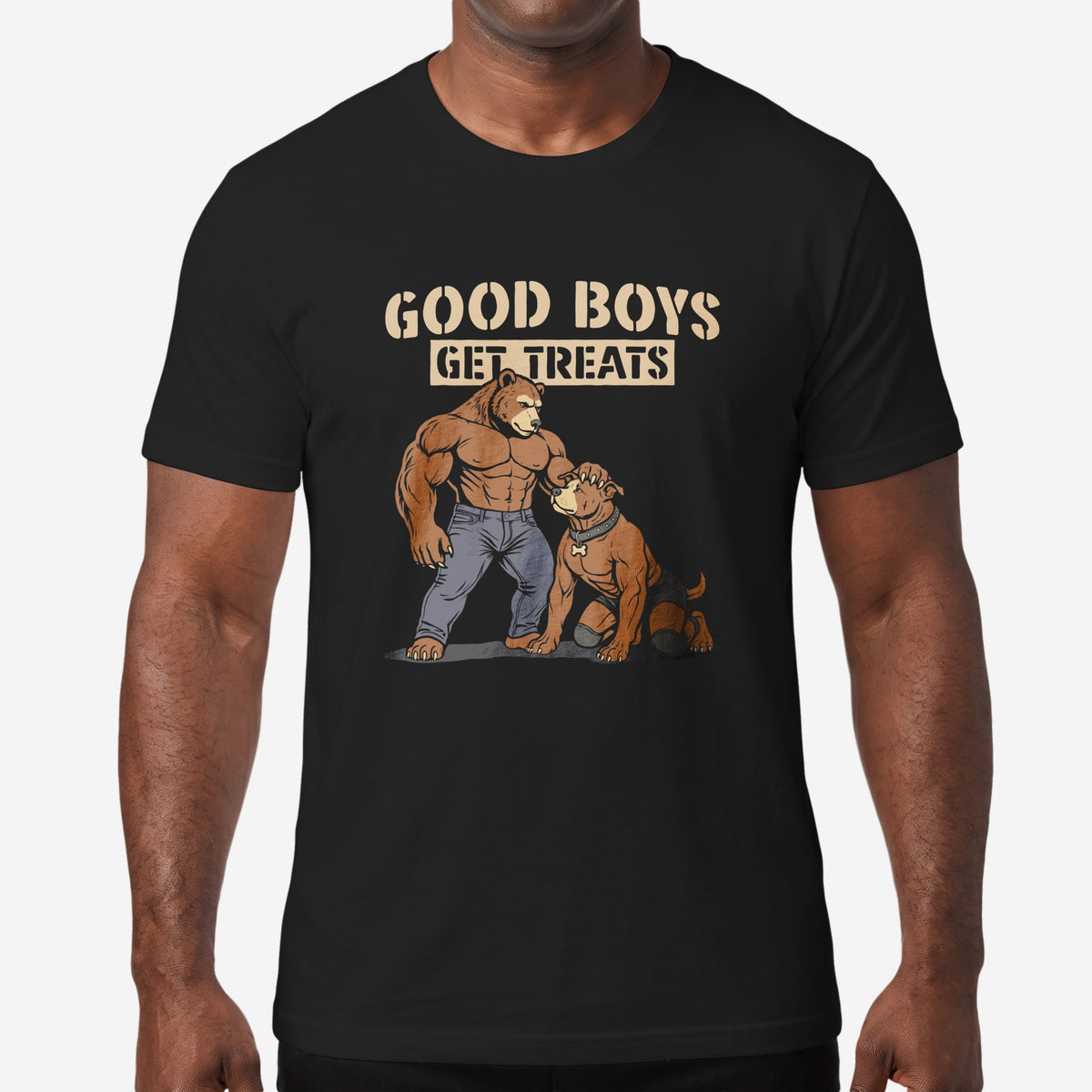
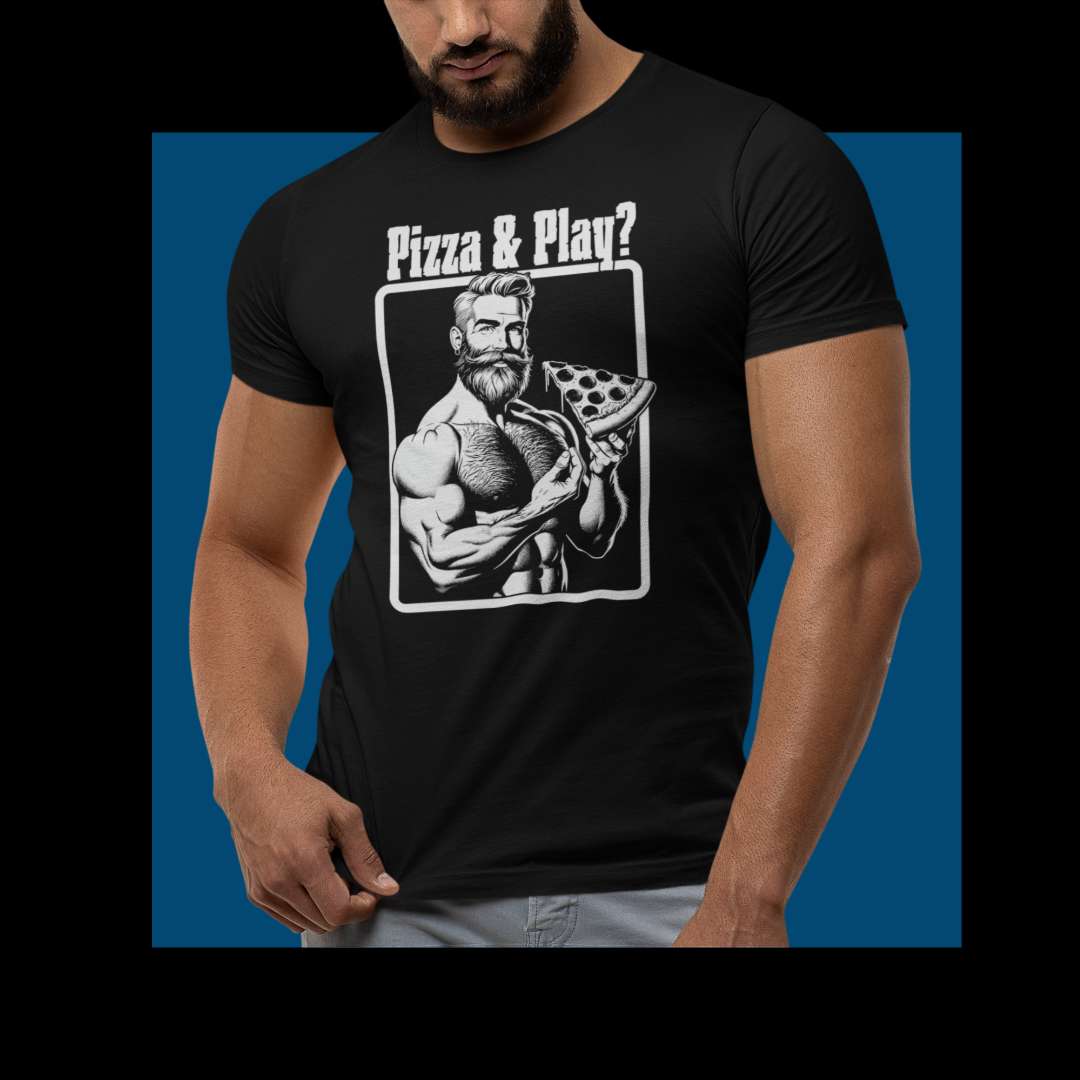
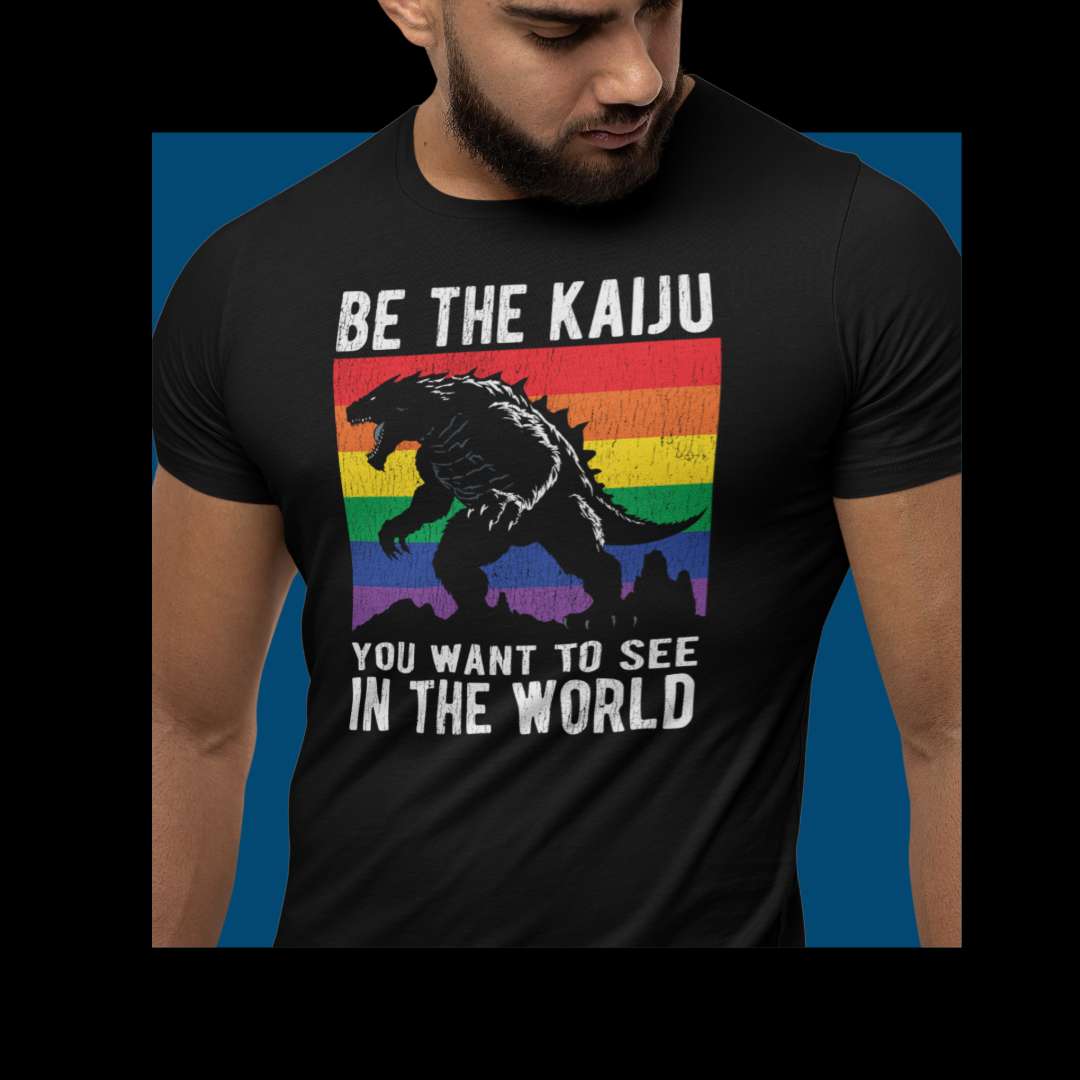
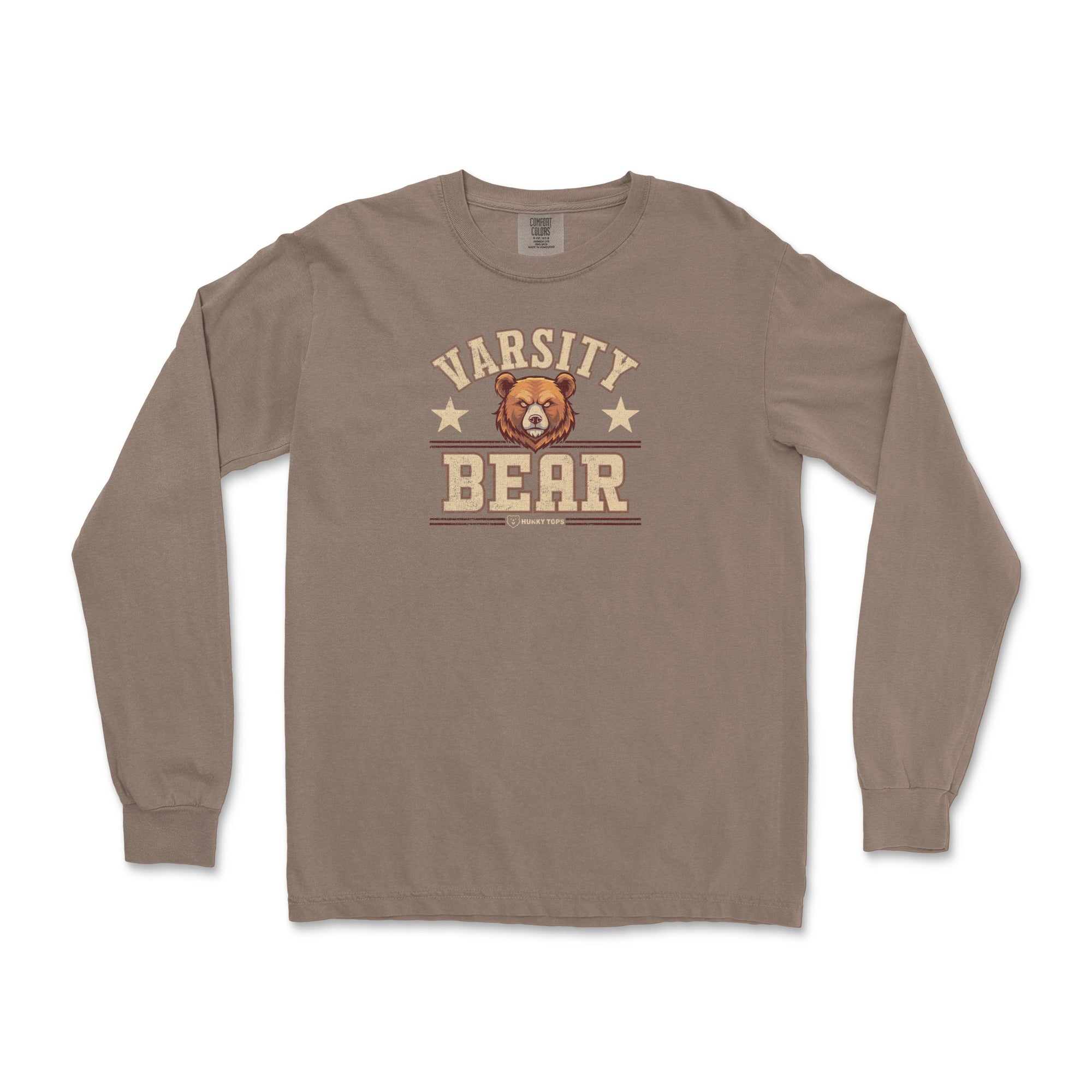
And when you get dressed for it this year, wear something that says all of that without you having to explain a word. Something that carries the energy of a man who stopped justifying his existence a long time ago and now just wants a great shirt and a good time.
If you've been to enough Prides to know exactly why you're still showing up, wear something that says so. Browse the Hunky Tops collection and find the one that fits the version of you who built this.
Stay Hunky.