I turned 40 and waited for the disaster.
That's what gay culture had been telling me for years: once you crossed that threshold, you were on the other side of something. Relevance. Desirability. The whole thing. The apps would serve you different results. The bars would get louder and somehow harder to navigate. The boys who used to look your way would just... not anymore.
None of that happened. What actually happened is I started giving less of a damn. And it turns out that's the whole secret.
Let me tell you what nobody warned you about your 40s.
The Lie You Were Sold
The "gay death" myth isn't new. It's been doing the rounds in queer culture since at least the 80s, maybe earlier. This idea that male desirability has an expiration date, and for gay men, that date arrives somewhere around 29. If you've spent any time on the apps, you've seen it encoded in profiles: "no one over 35," "young guys only," "not into daddies." It's a whole thing.
What makes it particularly exhausting is that gay culture propagated it. Not straight culture. Not mainstream media (though they helped). Us. It was gay men writing the rules that penalized gay men for aging, and then selling those rules back to each other through every hook-up app, every circuit party aesthetic, every magazine that put the same chiseled 25-year-old on the cover for thirty years running.
The emotional toll on younger gay men is real. It's right there on Reddit, where a mid-20s guy asked r/askgaybros: "I'm afraid to get old. Can anyone relate?" Or on Quora, where someone wrote almost word-for-word: "I'm a 30-year-old gay man, single and terrified of aging. It seems aging is so much harder when you're gay. How can I see things more positively?" It's the same thread, posted over and over under different names.
It does. It dramatically gets better. But we have to stop pretending the lie wasn't real first.
What Nobody Tells You About Your 40s
Here's what the research keeps finding, and I want to say upfront: these are patterns, not promises. Nobody gets a glow-up just for showing up to their 40s. Every man's experience is his own. But the trends are consistent enough to name.
A 2023 study on midlife perceptions of aging found that gay men in midlife tend to construct what researchers call "harnessing progress" narratives, framing aging as growth rather than decline, and drawing on decades of navigating life as a gay man to build what one framework calls "crisis competence": the idea that the same hardships that made being queer difficult early on may make you better equipped later. A large-scale survey of over 2,500 LGBT adults found a positive sense of sexual identity linked to better mental health outcomes. And a study of 210 gay and bisexual men aged 50 to 80 found that resilience, positive identity, and social connectedness were significant predictors of successful aging: better mental health, better physical health, higher quality of life.
The research points somewhere. Not uniformly (I know men in their 40s who are still in the thick of it), but directionally, it's pointing toward: more secure in your identity, more self-reliant, less dependent on other people's approval.
And that makes complete sense when you consider what actually changes in your 40s: you stop performing. The version of yourself you were maintaining for other people starts to feel exhausting in a way you won't put up with anymore. And make no mistake: a lot of 20-something body anxiety is performance.
The bears, the silver foxes, the daddies, the guys who just quietly decided they were exactly enough: the men I know who've come into their 40s well all describe something similar. A settling. A quiet. The noise that used to tell them they weren't enough gets farther away, and their own voice gets louder.
That's not resignation. That's the glow-up.
Style Gets Better
I came up in an era where queer fashion was either radical self-invention or invisible conformity. There wasn't much in between. You were either making a statement, on purpose and loudly, or you were blending in.
What I've found in my 40s is that I finally know what I actually like. That sounds obvious. It's not. At 24, I wore things I thought I should like. Things that communicated the right things to the right people. At 40-something, I wear things that are genuinely, specifically mine.
The queer icons who've done fashion best figured this out. Personal style as a long game. The goal was never to look like the dominant idea of hot. The goal was to look unmistakably like yourself.
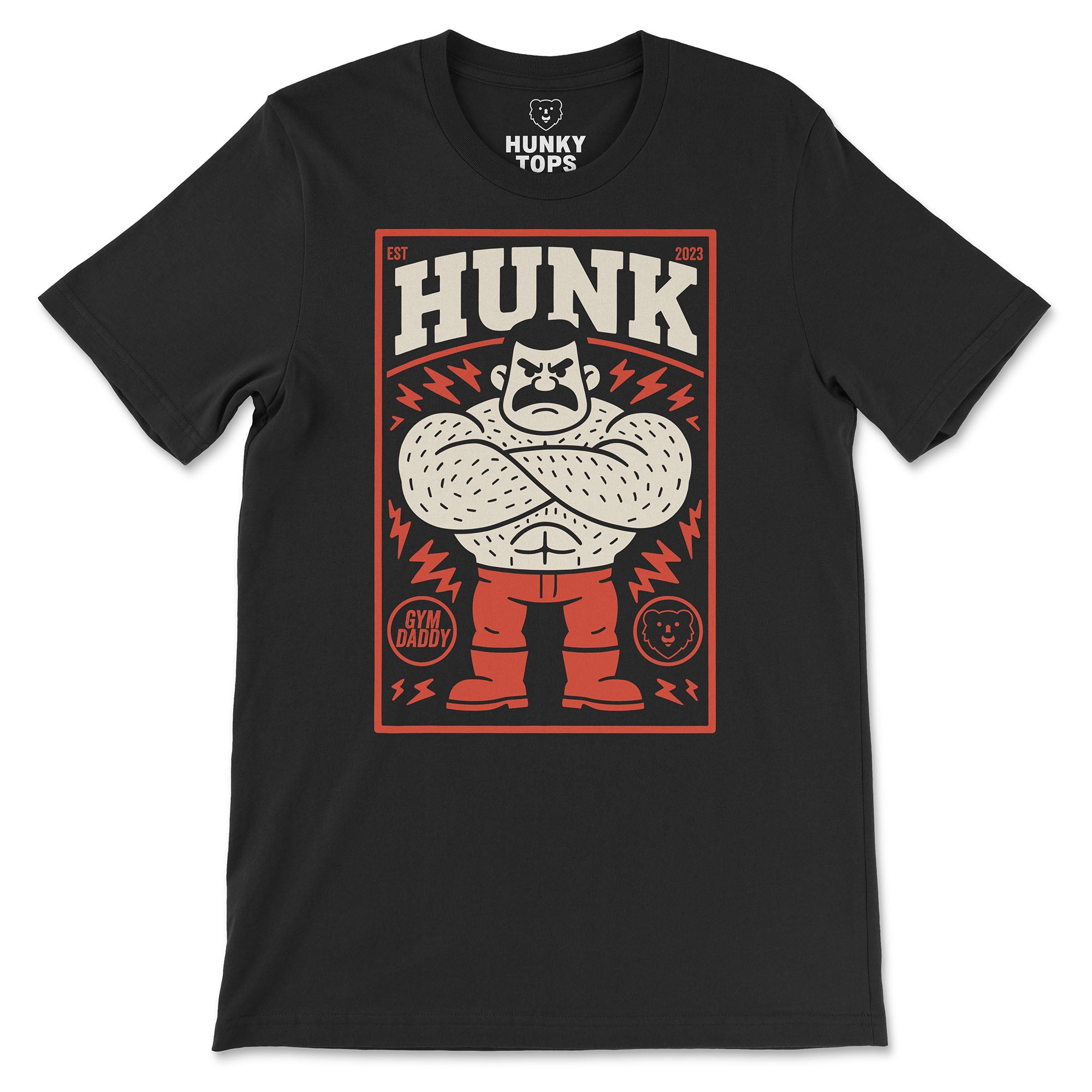
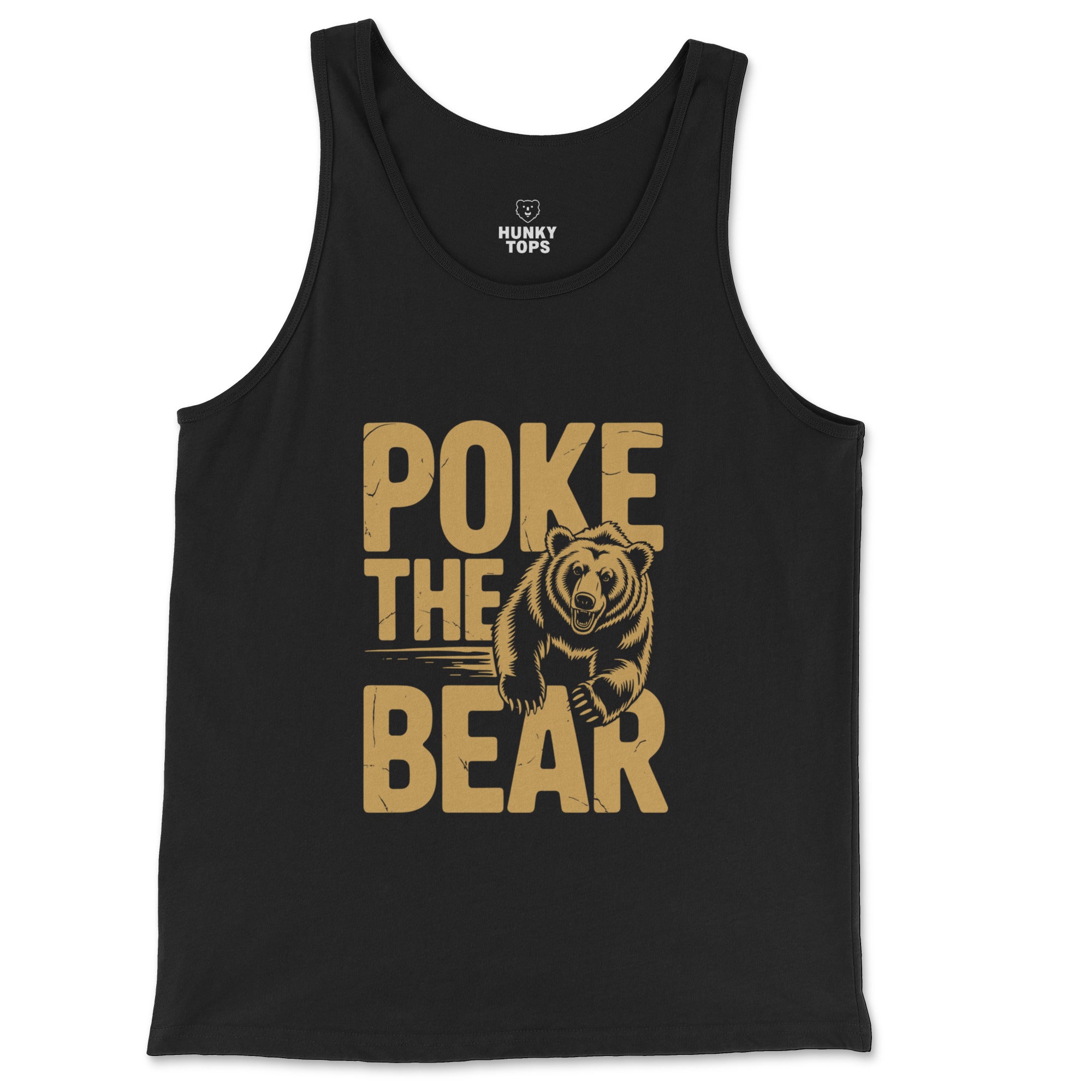
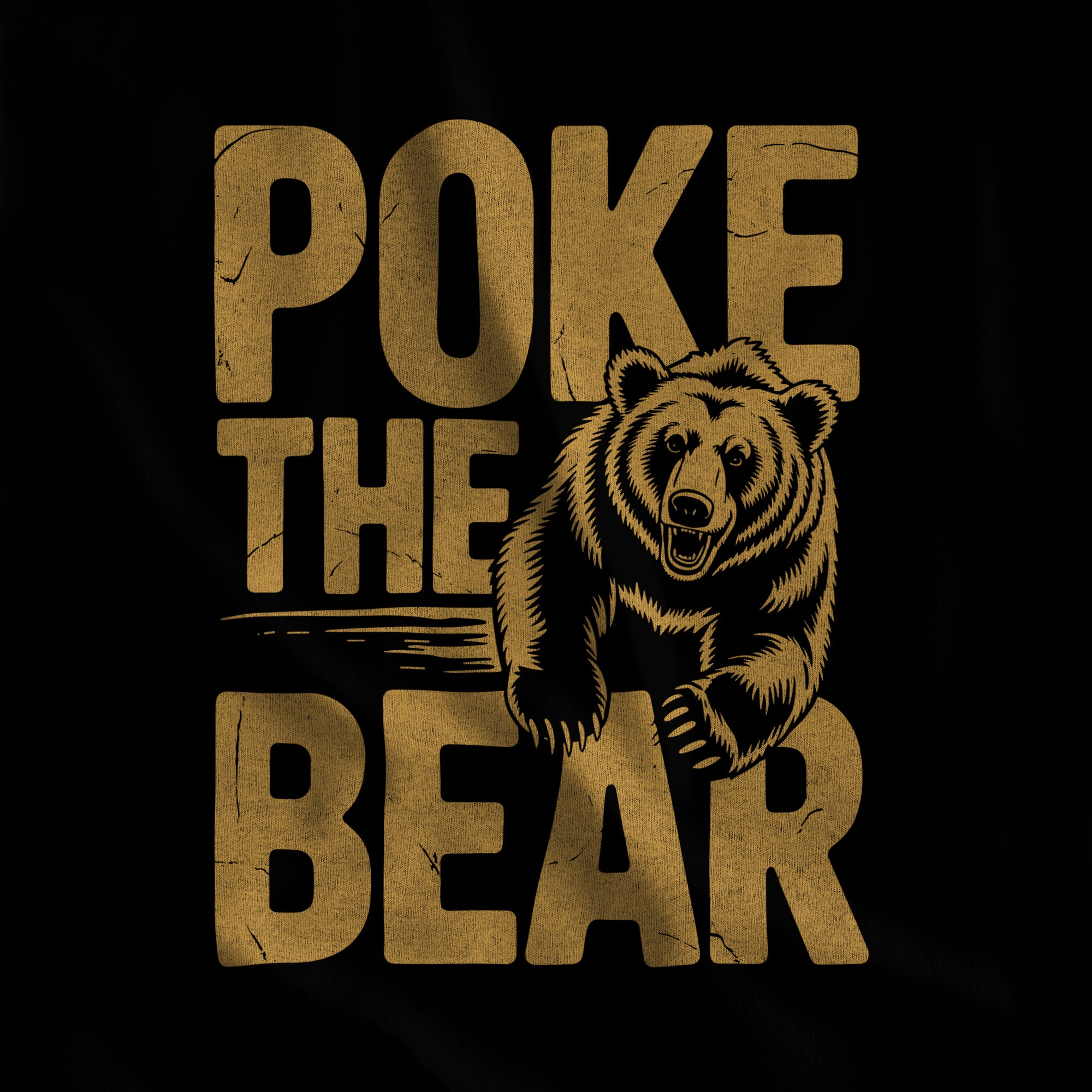
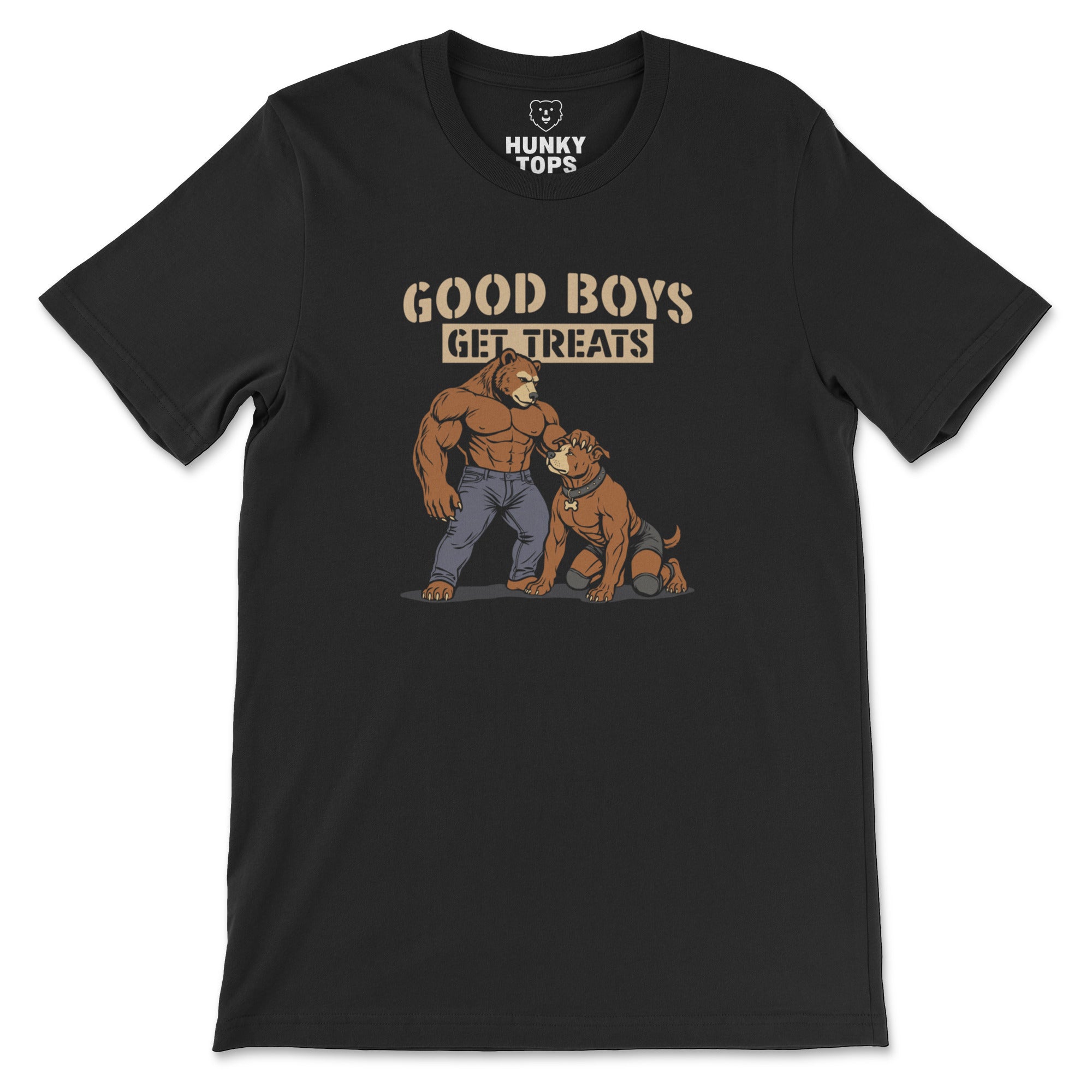
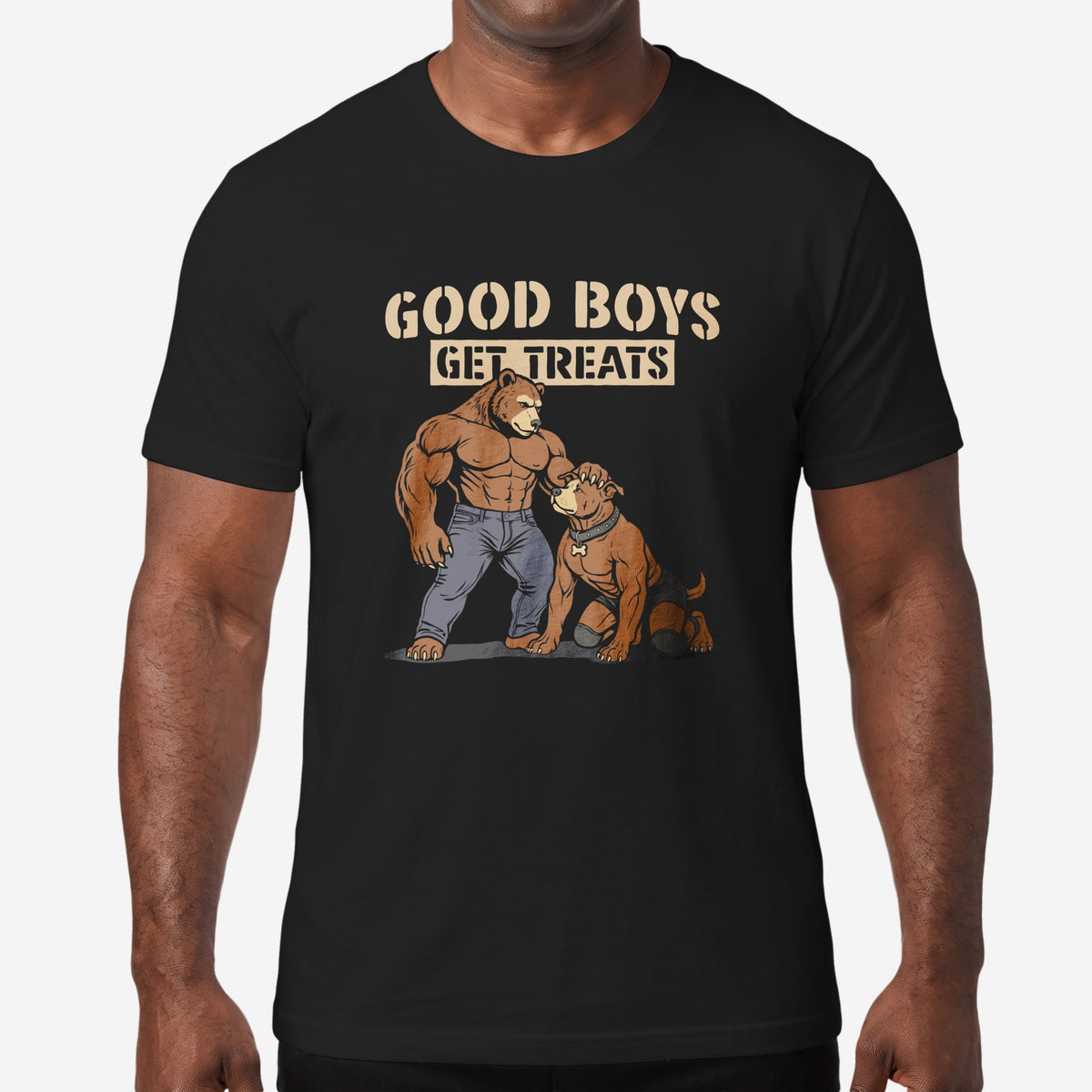
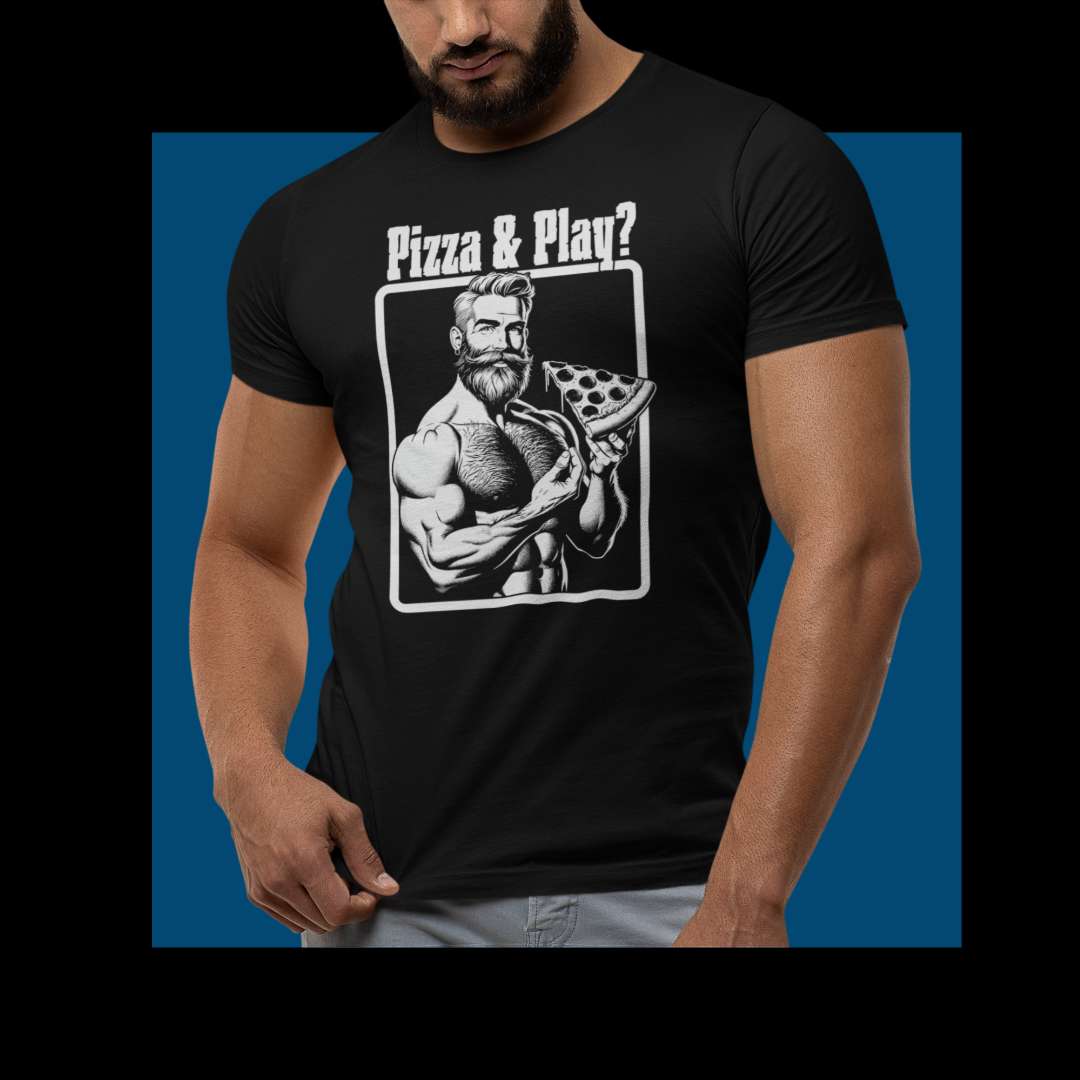
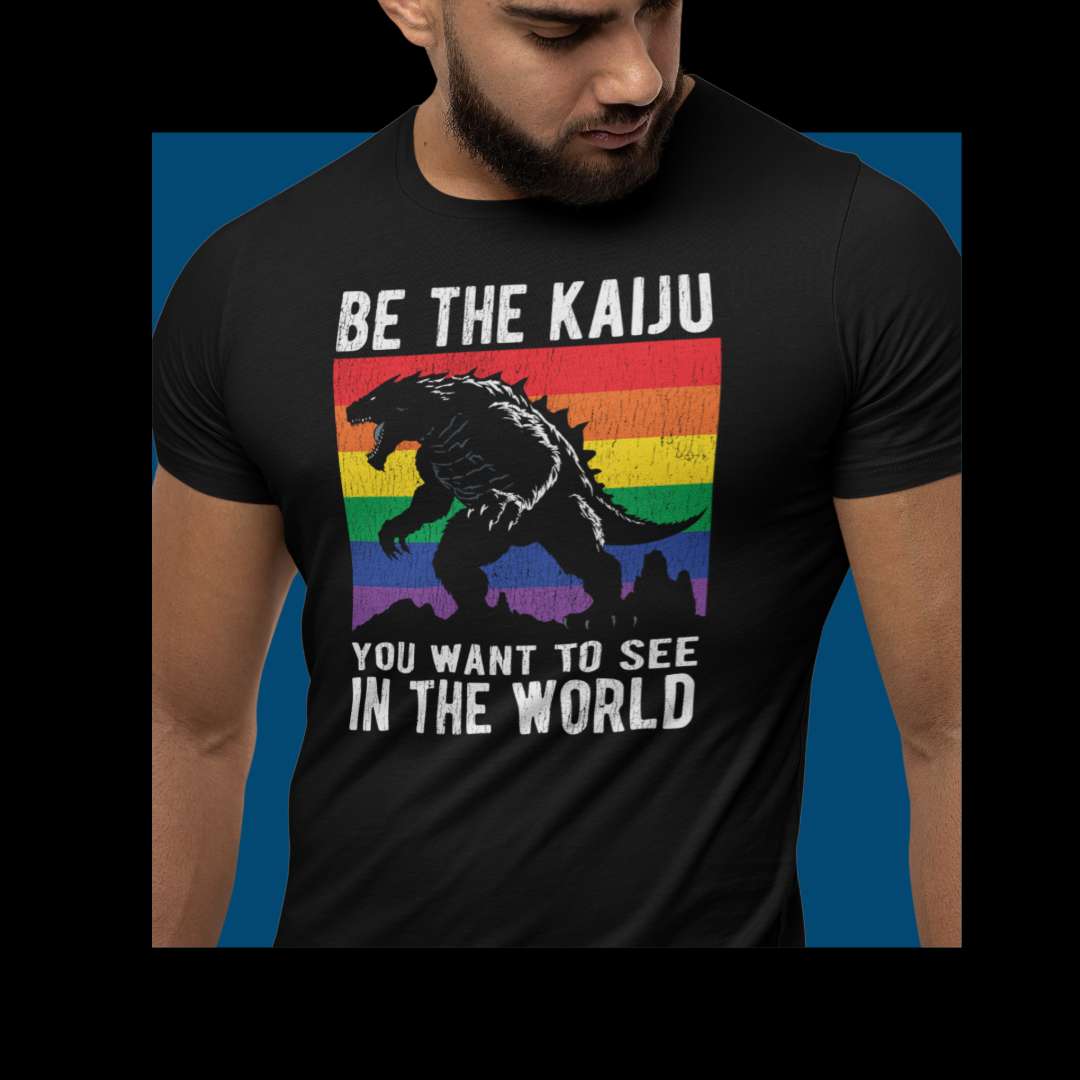
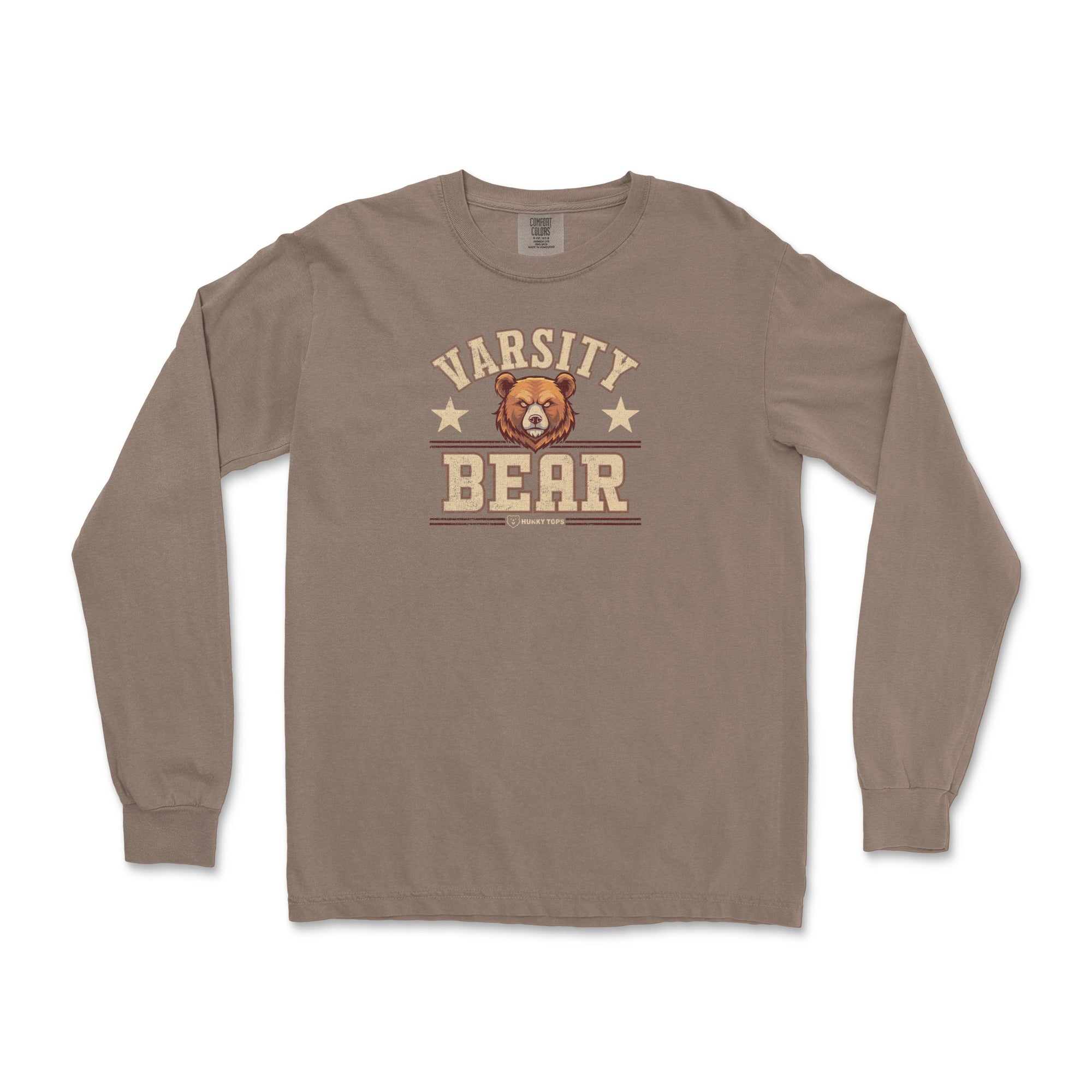
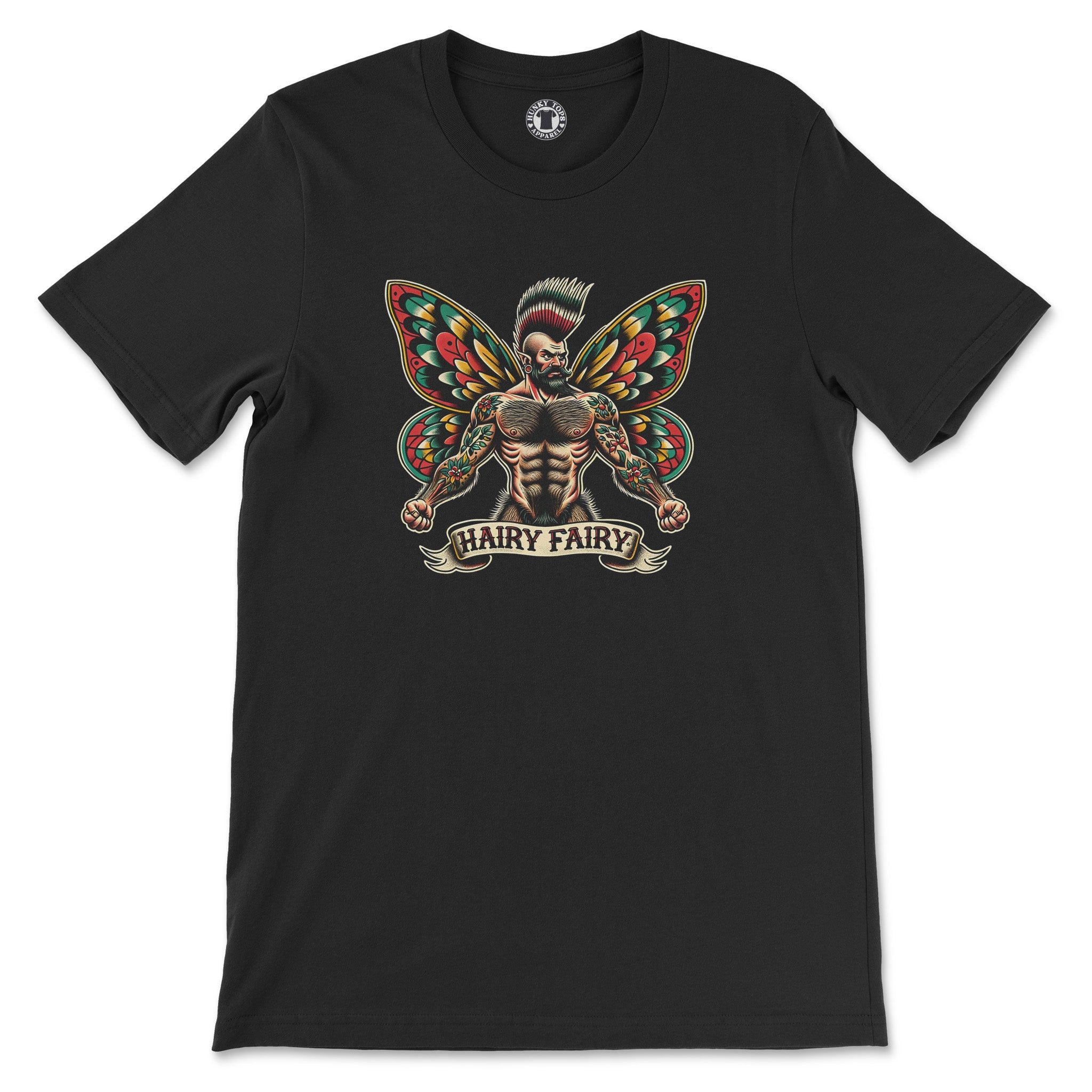
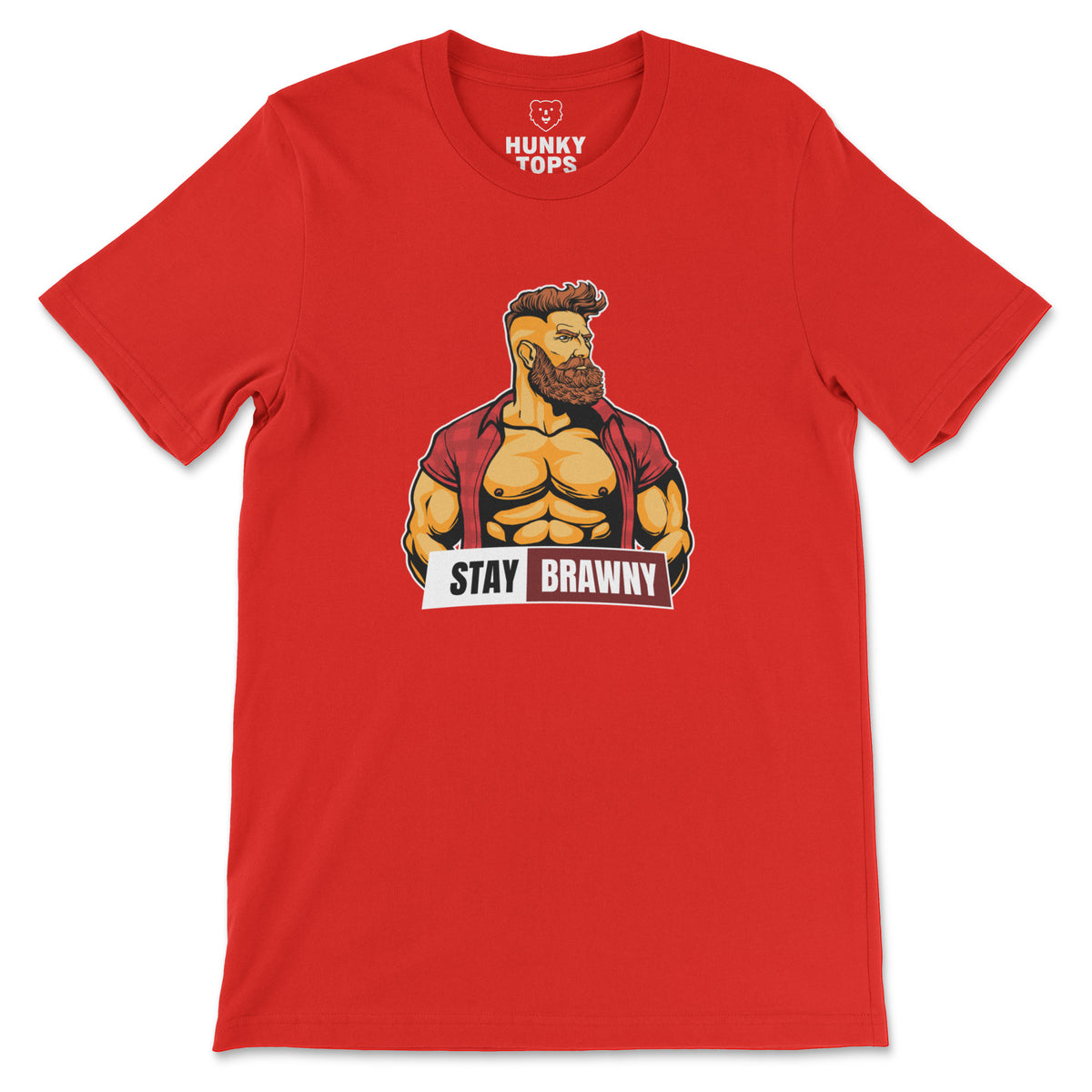
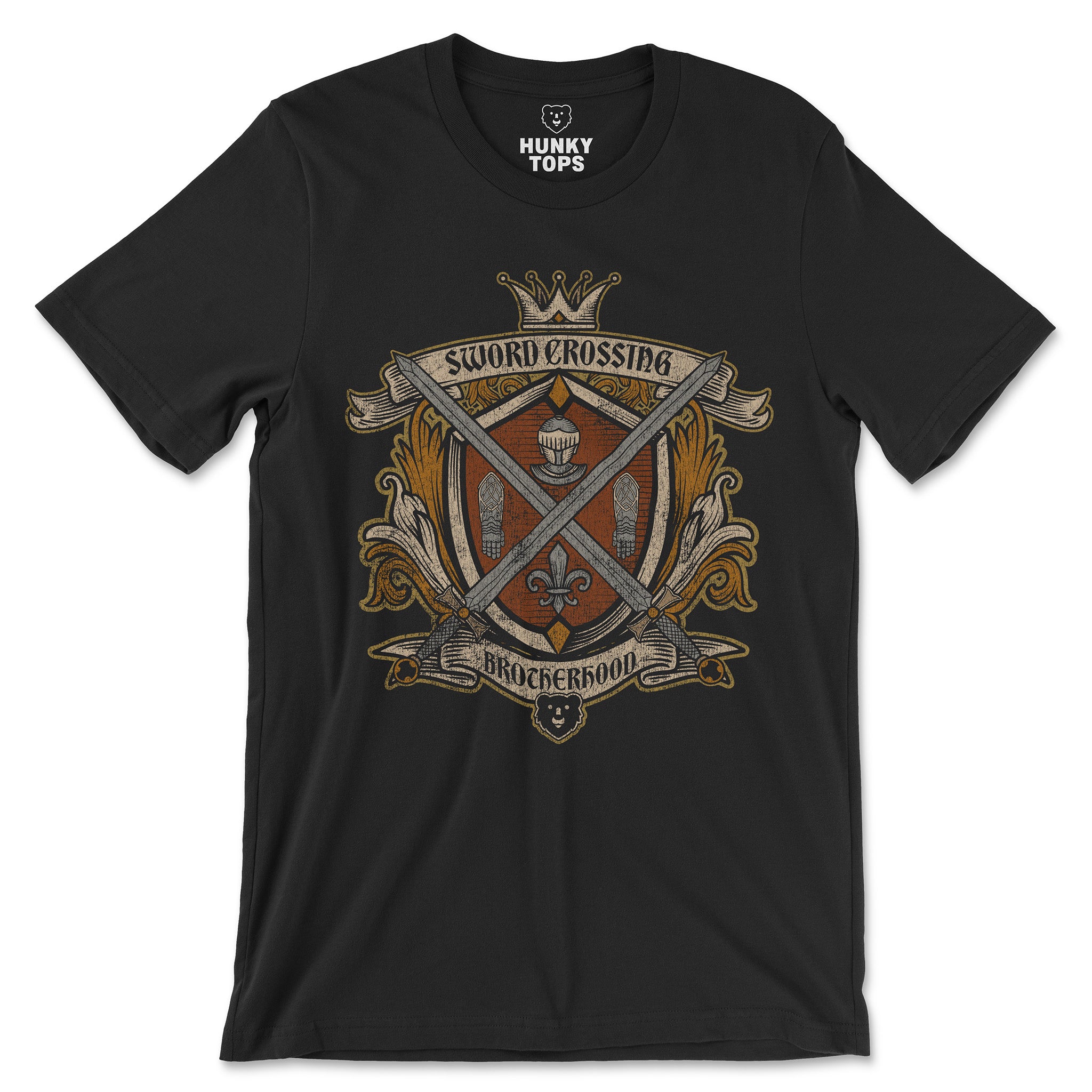
A graphic tee is maybe the clearest expression of this. When a 24-year-old wears a statement tee, it can feel like trying on an identity. When a 40-something wears one, it's a chapter title. You know which chapter you're in. You're not asking anyone's permission to be there.
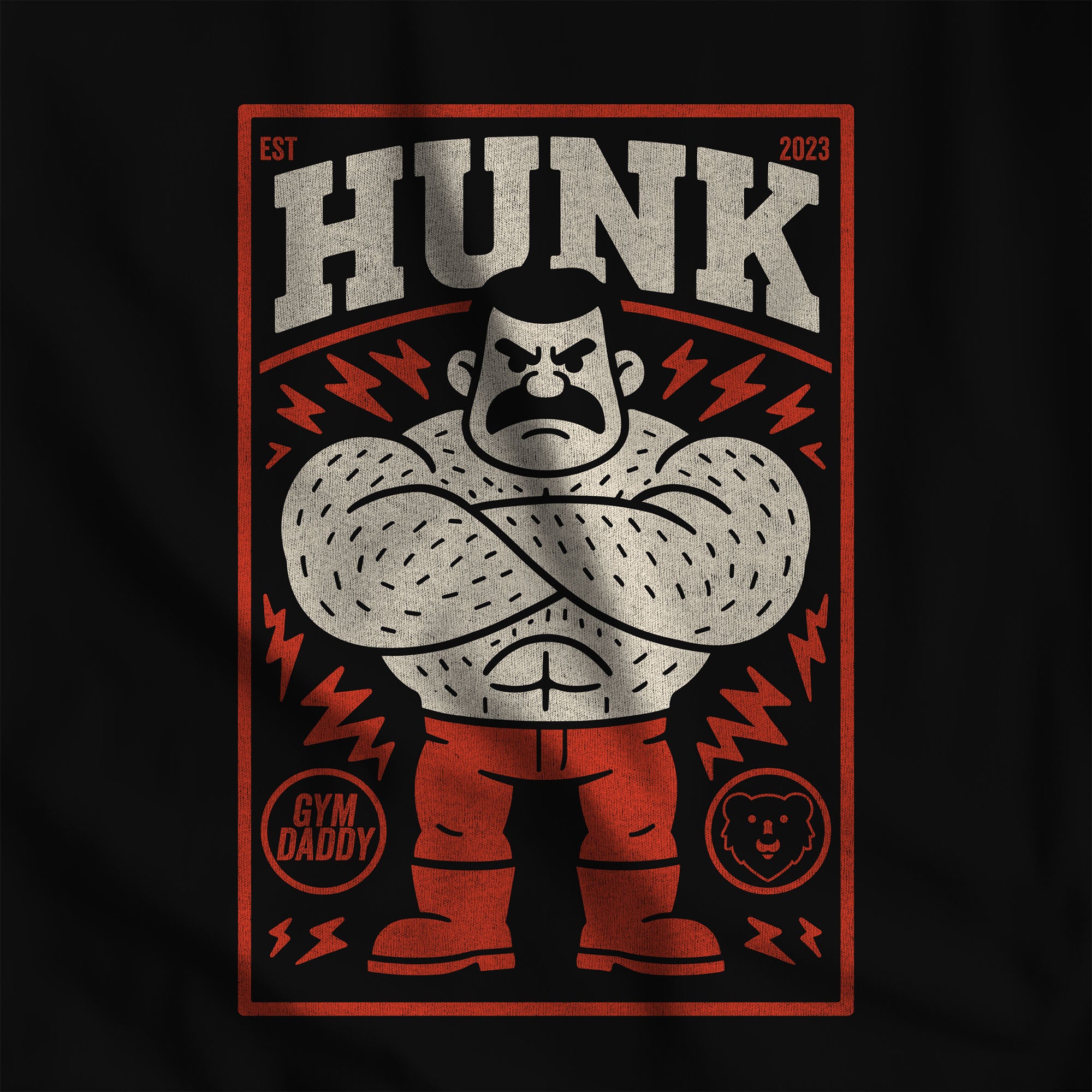
That's the energy I built Hunky Tops around. Not aspirational in the climbing-a-ladder sense, but aspirational in the direction of becoming more yourself.
The Body-Positive Truth
Gay body positivity has had a complicated relationship with gay culture for a long time. The mainstream of what gets celebrated (the apps, the magazines, the gym-selfie ecosystem) has been narrow in ways that have done real damage to real men.
But something has been shifting. And I've watched it happen.
The bear community has been doing body positivity for decades, long before it became a hashtag. The daddy aesthetic, which is just another way of saying "men who've lived in their bodies long enough to have some texture," has gone from niche to genuinely influential. Silver foxes are having a moment that feels less like a trend and more like a long-overdue correction.
The community is expanding its idea of who is desirable, who takes up space, who gets to feel good in their skin. Not universally. There are still dark corners of gay culture running the same old programming. But the expansion is real. Gay men in their 40s are more visible, more celebrated, and more self-possessed than at any point I can remember.
Your body isn't failing. It's evolving. There's a difference. Worth saying out loud.
Community, Not Competition
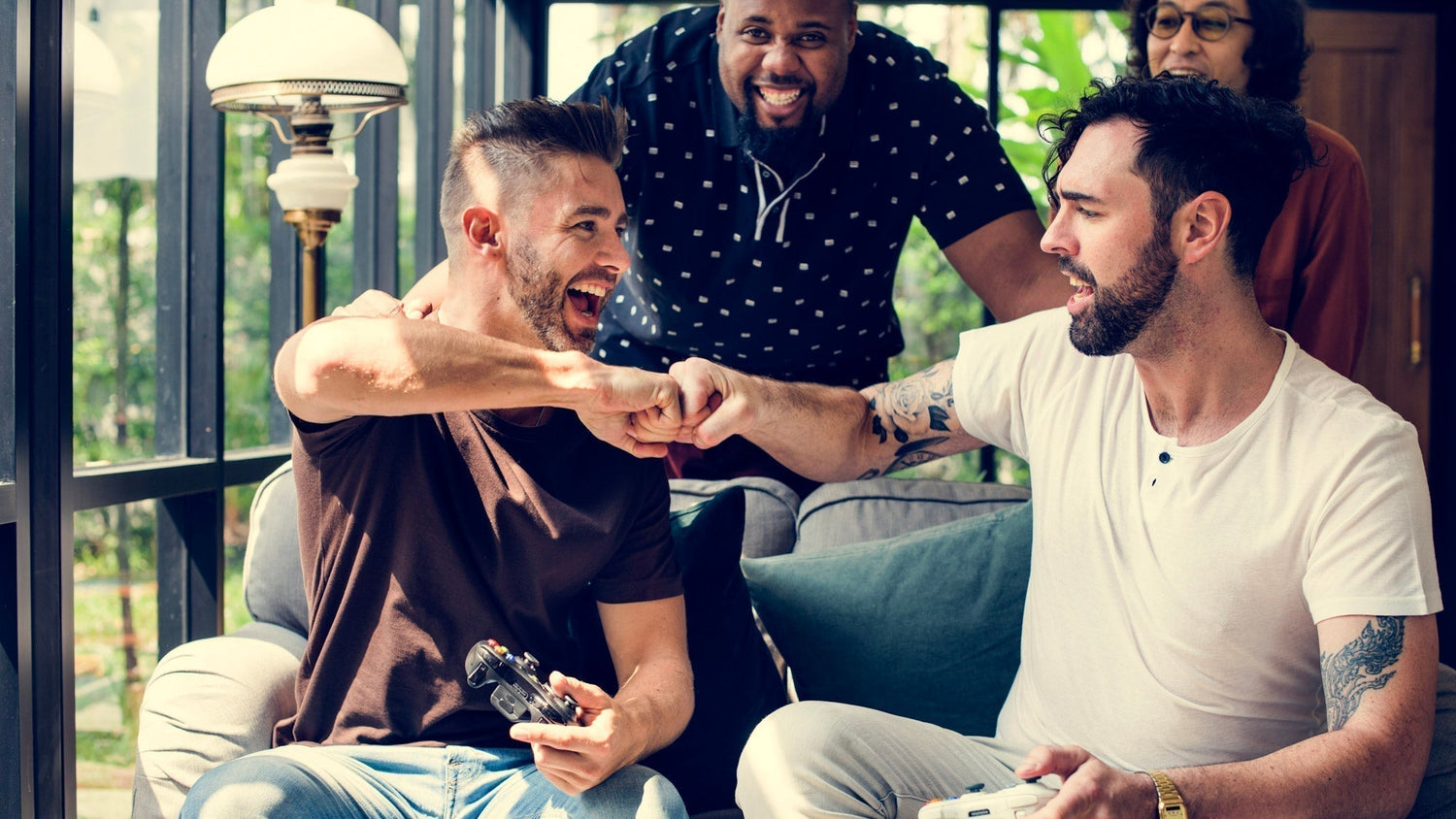
One of the quieter gifts of your 40s is what happens to your friendships.
I don't mean they get warmer necessarily, though often they do. I mean they get more solid. The friendships that were built on proximity (the scene, the apps, the orbit of going out) have sorted themselves out. What's left tends to be the ones that can survive a long conversation about something real.
Gay men in their 40s who came of age in the 80s, 90s, and 2000s survived something. The AIDS crisis didn't just kill people. It reshaped community, obligation, and the meaning of chosen family in ways that our generation carries whether we're conscious of it or not. Coming out before social media. Navigating adolescence without anyone like us visible in pop culture. Building the lives we have from materials we largely had to find ourselves.
That's a different kind of formation. The resilience is specific.
I grew up between two worlds: Chile and the United States, Latin American culture and American culture. All of that instilled in me a particular comfort with building chosen family. With knowing that the people you love don't have to share your zip code or your bloodline to be yours. Gay men in their 40s tend to know this in their bones. It's not accidental. It's earned.
Less scene. More substance. More yours.
Own It: Dress Like Who You Actually Are
I started Hunky Tops because I wanted to make shirts for men who are done waiting for permission to be exactly who they are.
That includes permission to find yourself attractive. Permission to take up space in a room. Permission to wear the thing that says the thing you actually want to say, rather than the thing that will pass the widest possible inspection.
A graphic tee is a small act of self-declaration. It's a sentence you put on your chest and walk out the door with. When you know who you are, and gay men in their 40s tend to know, it's a very different act than when you were still figuring it out.
The Hunky Tribe isn't young. We're not trying to be. We're experienced, we have receipts, and we have a finely developed sense of what's worth our time and what isn't. We've built our lives from scratch in some pretty meaningful ways. We've earned the right to dress like it.
So: wear the shirt. The one that makes you laugh, or the one that makes people look twice, or the one that says exactly what you've been trying to say for years without finding the words. That's what the clothes are for.
The glow-up nobody warned you about is this: you get to like yourself. Eventually. Properly. Without conditions.
Welcome to your 40s. It's better here.
Stay Hunky.