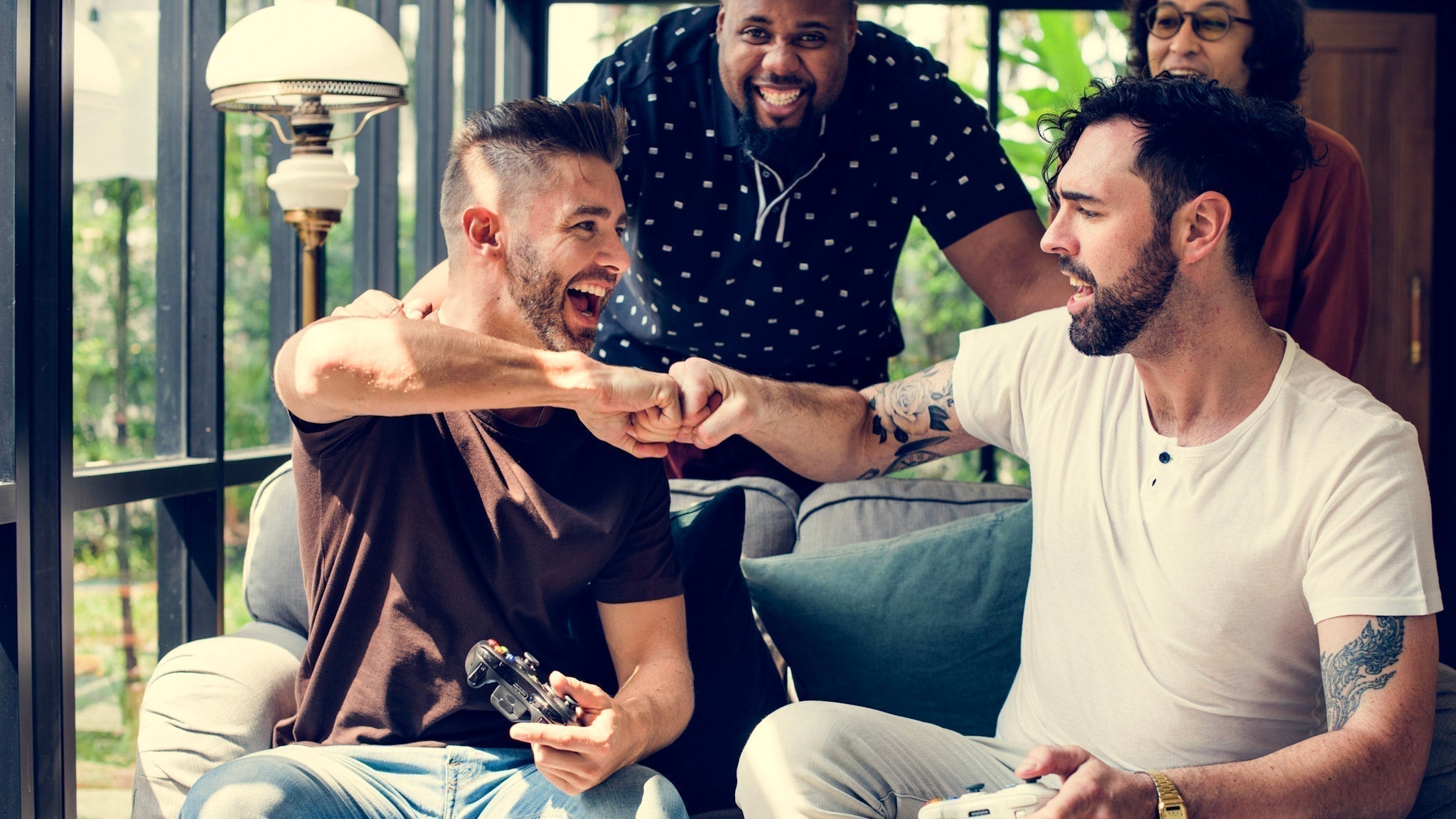
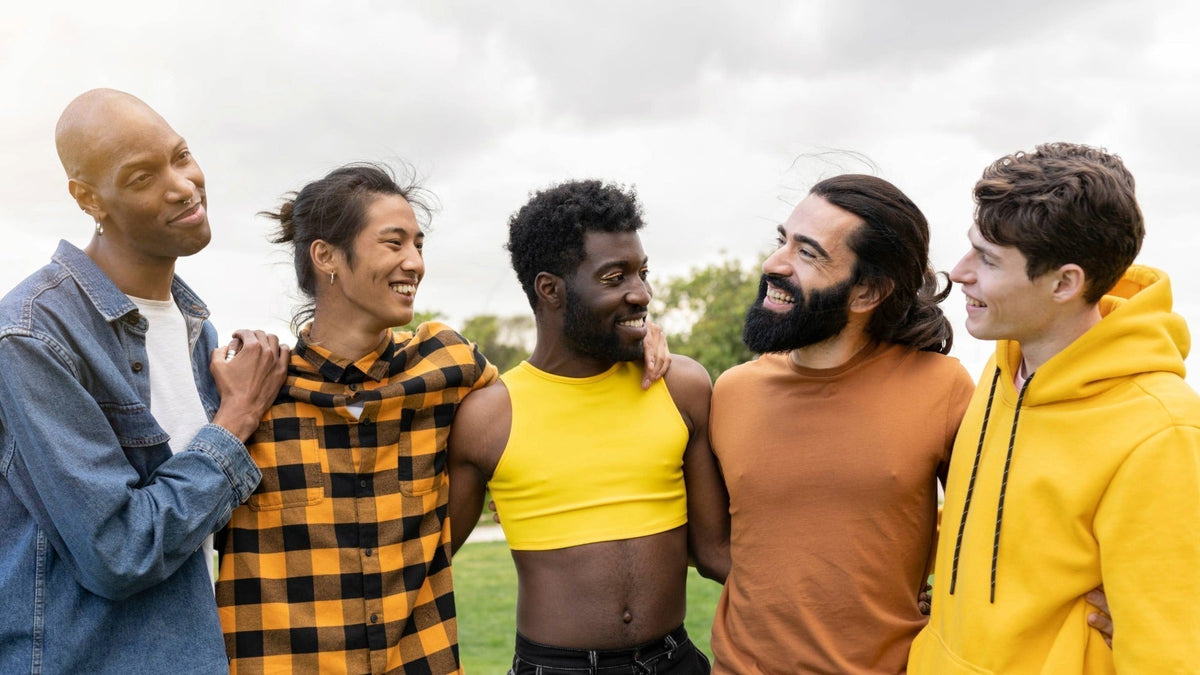
Chosen family is not a universal gay experience. Some of us grew up with families that were genuinely fine about who we are. Some of us found our people early and never lost them. Some of us are still looking.
But research backs up what a lot of gay men already know from their own lives: 63% of young adult gay and bisexual men report having a chosen family, a network built by choice rather than biology. For many of them, it's the primary family structure of their lives.
This is about those guys. And about what it actually takes to build something like that, and what it means to have it.
What Chosen Family Actually Means (And Why It's Not a Consolation Prize)
Let me be direct about something. Chosen family is not a soft landing for gay men whose biological families fell short. It's not "the friends you settled for when your parents didn't come around." That framing diminishes what it actually is, and what it is is intentional kinship.
These are people who looked at you, saw the full version of you, and decided: yes. I'm staying. That's not a consolation prize. That's the prize.
The practice isn't new. If you trace it back, it runs through the underground bar culture of the 1960s and '70s and '80s, when queer people weren't just socializing, they were building survival networks. The mothers of ballroom culture. The lesbians who nursed gay men through AIDS when blood relatives stayed home. The friendship circles in cities where being out meant losing your actual family. These weren't chosen families as a lifestyle choice. They were infrastructure. They were how people stayed alive.
What I find remarkable is how little mainstream culture has absorbed this history. Straight people "found family" stories show up in every movie, every prestige TV drama, every coming-of-age novel. But they treat it as a nice-to-have, an emotional upgrade. For gay men, especially men who came up in the '80s and '90s, chosen family wasn't a nice-to-have. It was load-bearing.
So when I hear it described as second-best, I want to push back. Hard. The people who chose to be in your life, who weren't obligated by blood or tradition or guilt, chose you. That's not lesser. That's arguably more.
Your Friends Kept You Gay (In the Best Way)
I mean this literally: queer friendships don't just support your identity. They actively develop it.
There's a difference between people who tolerate your gayness and people who celebrate it. The tolerators are grateful that you're not making it their problem. The celebrators are the ones who want to talk about it, reference it, build a whole texture of shared experience around it. The friends who make gay jokes with you that only land because you're all in on it together. The ones who drag you to the bar when you'd rather stay home and ultimately, every time, they're right that you needed it.
Community spaces are incubators for this. Bars, yes, but also queer book clubs and hiking groups and the group chats that have been running for fifteen years. These spaces don't just give gay men somewhere to be. They give us a place to become. The version of yourself you grow into around people who get it is different from the version you perform everywhere else.
And then the spaces close. Gay bars have been shuttering at an accelerating pace, with more than 45% disappearing between 2002 and 2023, and the closures haven't slowed down. The organization that threw the events gets its funding cut: in 2025, LGBTQ+ institutional funding collapsed on a scale that is still being absorbed, with over $800 million in NIH grants alone cancelled and community centers across the country cutting or eliminating services. The downstream effects aren't just political. They're social. Fewer gathering spaces. Fewer networks. Fewer places where chosen family gets built in the first place.
In 2026, queer social networks are increasingly functioning as mutual aid systems, which is both a new urgency and a very old practice. The chosen family structures that kept people alive in the '80s are being asked to carry similar weight again. Which makes the question of how we build them more important, not less.
What Chosen Family Looks Like in Your 40s
Here's what I've noticed, at least in my own life and in the lives of gay men I know: the friendship circle gets smaller, and the relationships get deeper, and at some point you stop feeling bad about that.
The guys you're still close to in your 40s, you know how you got there. You have history with a capital H. You've buried people together. You've held each other through breakups that felt like divorces. You've had the 3am phone calls and the airport pickups and the conversations that didn't end until dawn turned the room a different color. That's not the same as having a lot of friends. That's a different thing entirely.
There's a particular bond forged by gay men who survived something together. AIDS grief is the most obvious one, and for men of a certain age it marks everything. But it's also the smaller survivals: coming out in a place that didn't welcome it. The years of internal negotiation before you were able to say the word out loud. The political fear, which right now in 2026 is no longer historical.
Men who share that kind of history have a shorthand. They don't have to explain their context to each other. That shorthand is not incidental. It's one of the most valuable things a person can have.
I'll also say something practical that doesn't get said enough: chosen family is structural. These are the people who know your medical history, who you've designated to make decisions if something happens to you, who lend you money when you need it and let you pay it back slowly and neither of you makes it weird. It's not soft. It's not decorative. It functions.
How to Build It (If You're Starting From Scratch)
Some gay men reading this don't have a chosen family yet. Maybe they moved somewhere new, or aged out of a scene, or let things lapse during a hard few years. That's a real situation and it deserves a real answer, not a pep talk.
So here's what I actually think, without making it sound easier than it is.
The first mistake is waiting for community to happen to you. It doesn't work that way. Chosen family is constructed. It requires deciding that you want it and then showing up in the places where it can form. Not Scruff, or at least not only Scruff. Gay sports leagues. Queer book clubs. The bar where you're a regular, not just a visitor. The volunteer shift at the LGBTQ+ center. The group chat you actually participate in.
The second thing is that chosen family requires investment before the emergency. The men who show up when things fall apart are the ones you already showed up for when everything was fine. It's a relationship, which means it needs ordinary time, not just crisis time.
And if that's you right now: you're not behind. You're not too old. The rules of gay friendship in your 40s are different than they were at 25, but they're not harder, they're just different. They involve more directness. More willingness to say "I want to be better friends with you" out loud, which feels vulnerable and works anyway. The men who are worth having in your life will appreciate you for it.
Wearing It Out: How Community Shows Up in What You Put On
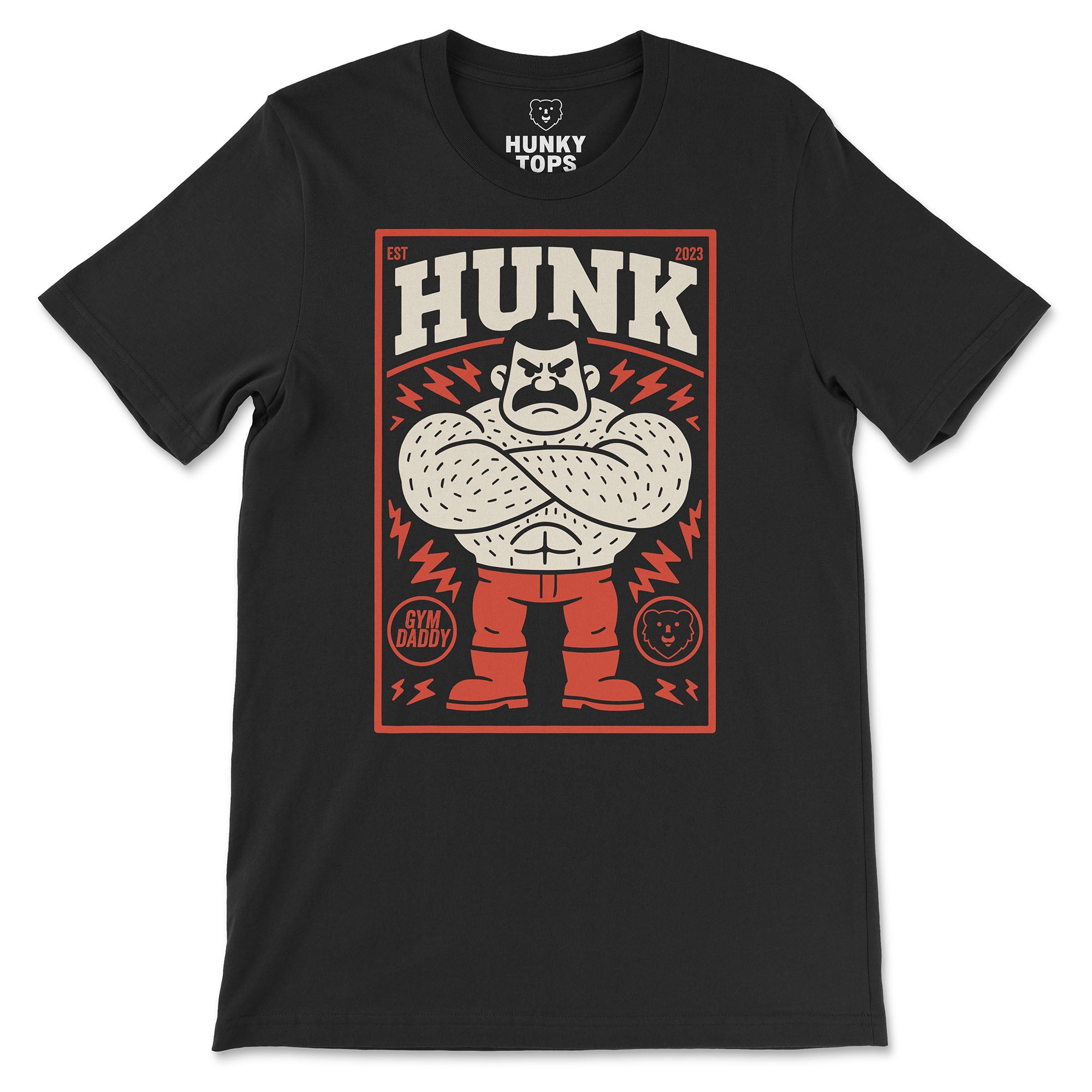
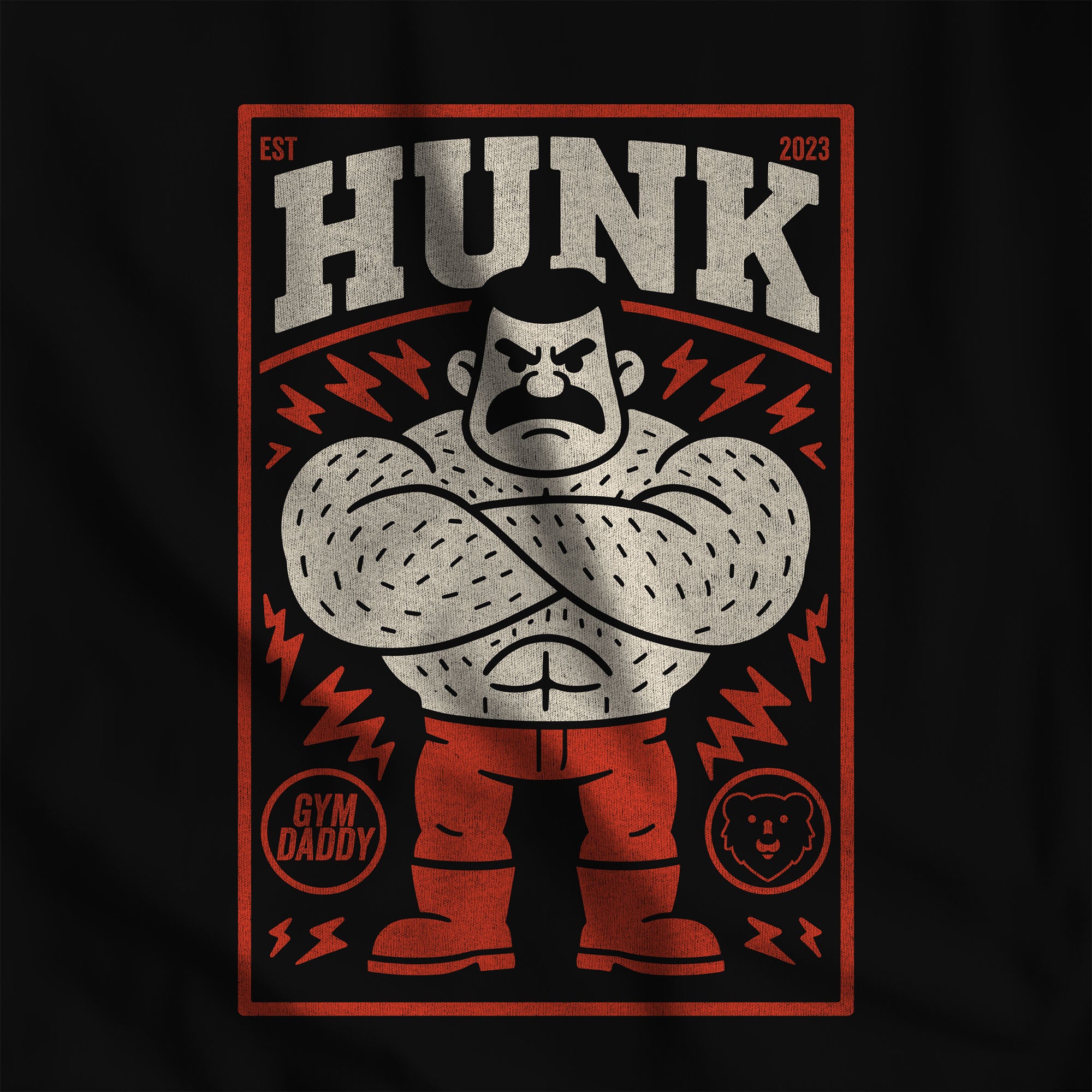
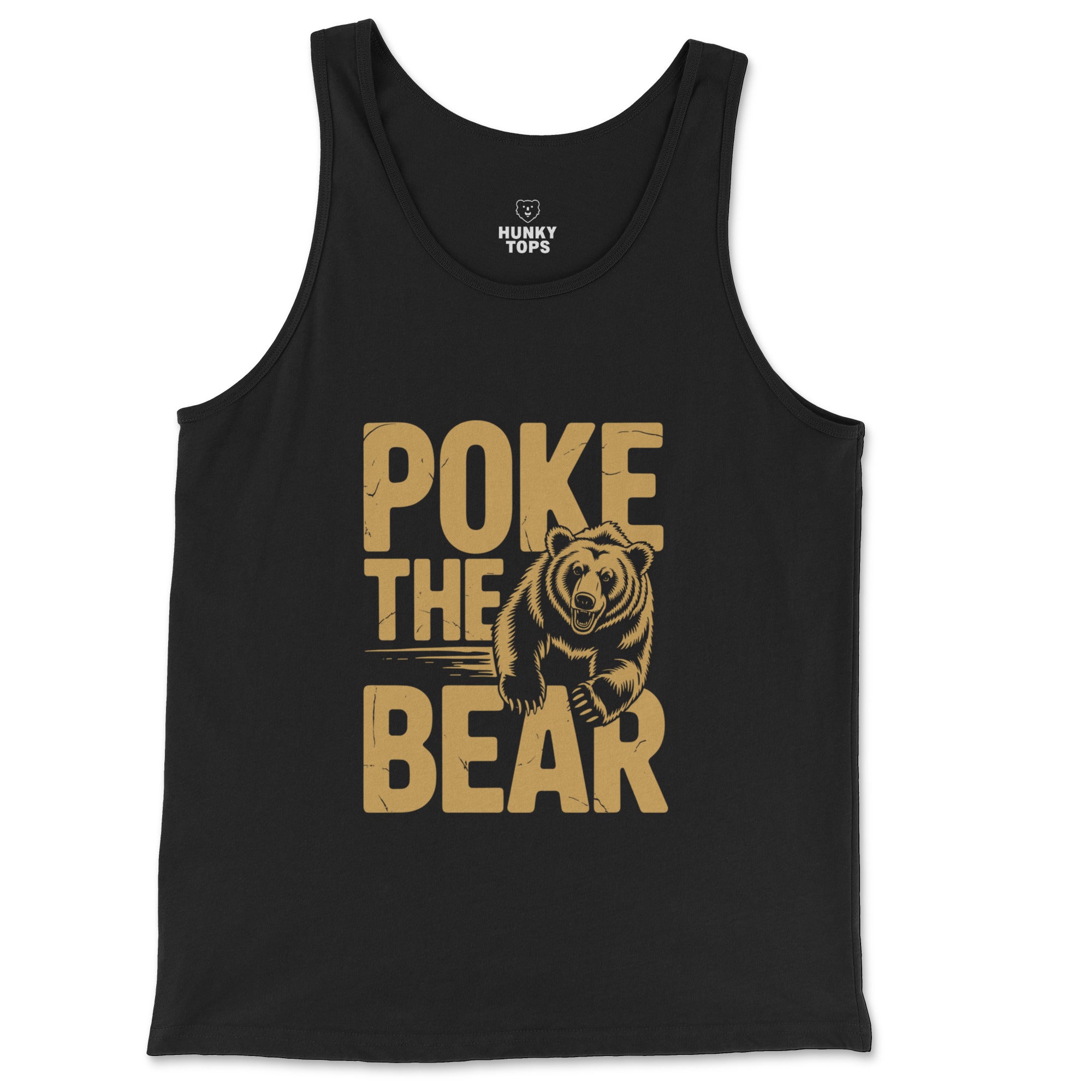
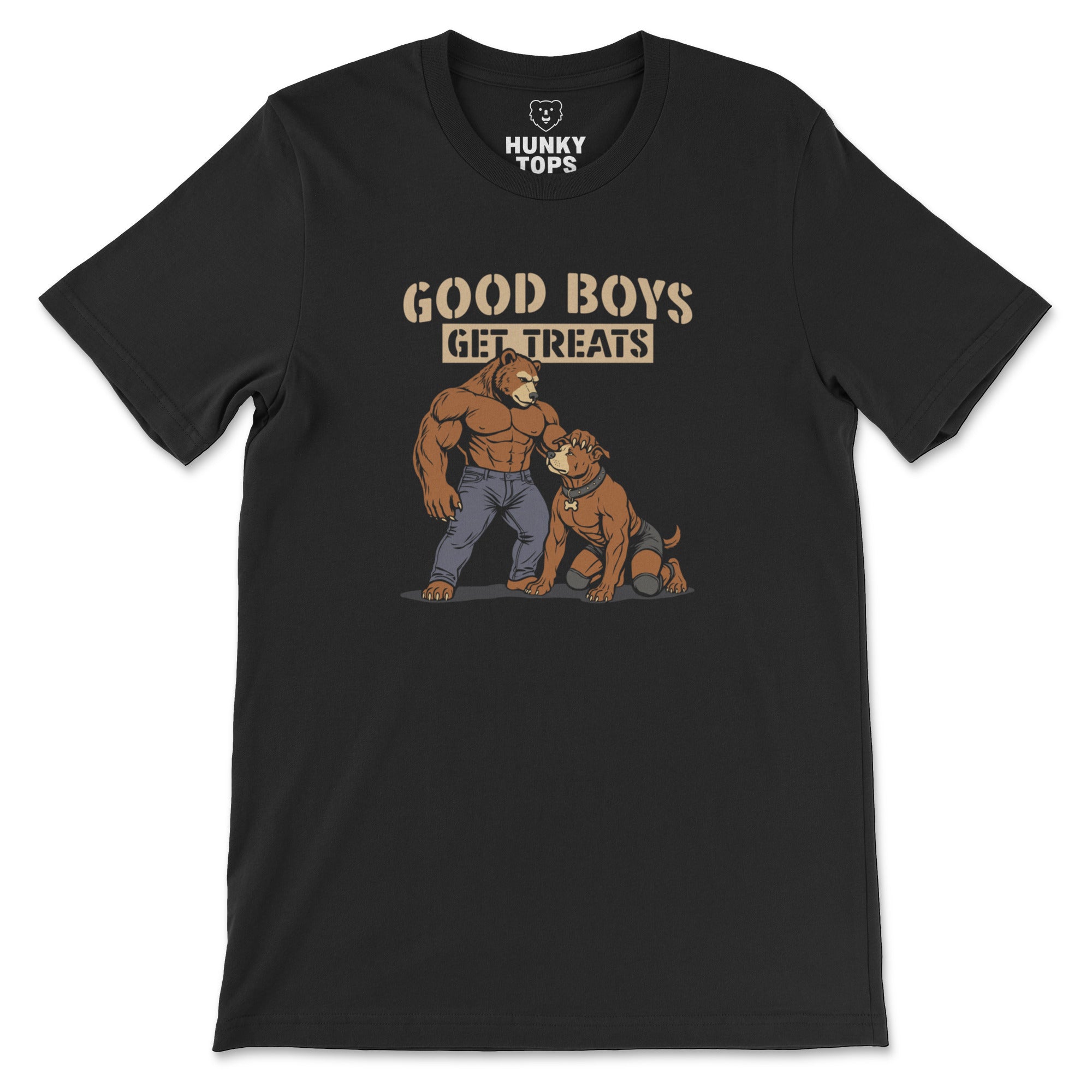
Every Hunky Tops design starts in the same place: what does it feel like to be this specific kind of gay man, and how do you put that on a shirt. The humor, the references, the things that only land if you're inside the experience. That's the point. Not what it communicates to someone else, but what it means to the person wearing it.
The community part, the recognition across a bar, the stranger who stops you to ask where you got it, that's a side effect. A good one. When you're wearing something that's actually yours, people who are also yours tend to find it. But that's not why you put it on. You put it on because it's true.
In a moment when a lot of gay men are thinking harder about who their people are and how to hold onto them, that still matters. Maybe more than it ever has.
Wear the thing that says who you are. The rest follows.