
In 1979, a writer named George Mazzei published a piece in The Advocate called "Who's Who in the Zoo?" He sorted gay men into seven animal types, and when he got to the bear, here's the sentence he wrote:
"Bears are usually hunky, chunky types reminiscent of railroad engineers and former football greats."
Hunky. Right there, in the founding document of the whole gay bestiary, forty-seven years ago. I didn't plan that. I found out about it years after I named this brand, and I've been quietly delighted ever since.
Mazzei gave us the first published use of "bear" for a certain kind of man. The rest of the zoo showed up later, built by the community itself over the following two decades, mostly through bear bars, bear runs, photocopied zines, and a lot of good-natured arguing. If you came out in the '90s, you watched that vocabulary lock into place in real time. You were there for it.
So here's the field guide, in two halves. The animals first. Then the words that got into the vocabulary without an animal attached, which turn out to be half the words we actually use. And underneath all of it, why so many of us find our category around the time we stop wanting to be a twink.
Who's Who in the Zoo: the 1979 origin
Mazzei's article did something nobody had done in print before: it gave gay men a way to describe body and demeanor without medical language or insult. Seven types. Bear was one of them. The others didn't survive, which is its own kind of answer about what the community actually needed.
The line that matters most comes a beat later. Mazzei noted that some bears he knew were leaner than the railroad-engineer build, and concluded that it's attitude that makes a bear. That idea outlived every other thing in the article, and it's still the correct answer forty-seven years later.
The word sat quietly for most of the '80s. Then in 1987, California publishers Richard Bulger and Chris Nelson launched BEAR Magazine. The title had started life as a photocopied zine of sexy photos and personal ads, begun by Bulger's friend Bart Thomas, who died of an AIDS-related illness soon after. That's the moment the informal network became a subculture with a name, a look, and a mailing list. Everything below grew out of that soil.
Bear
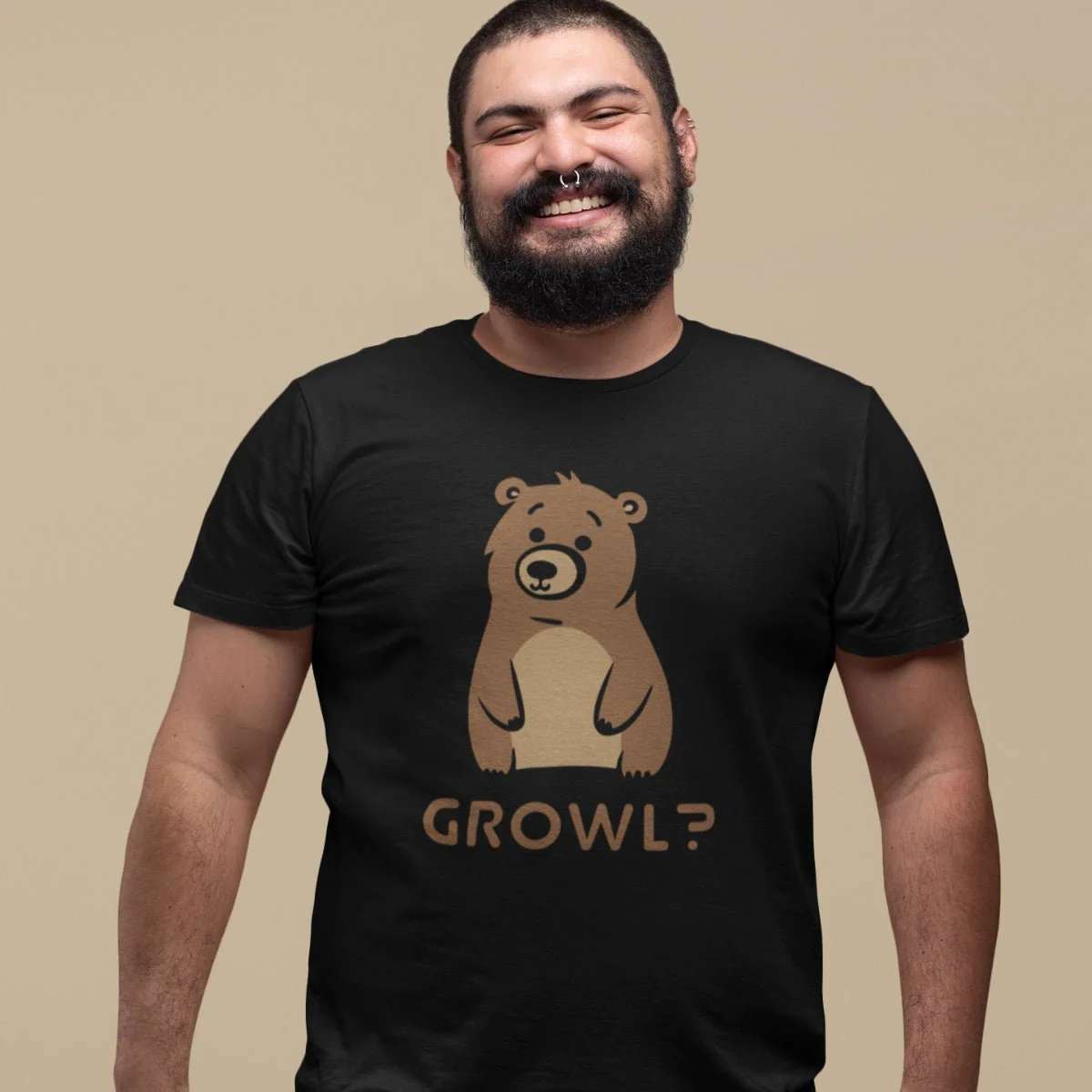
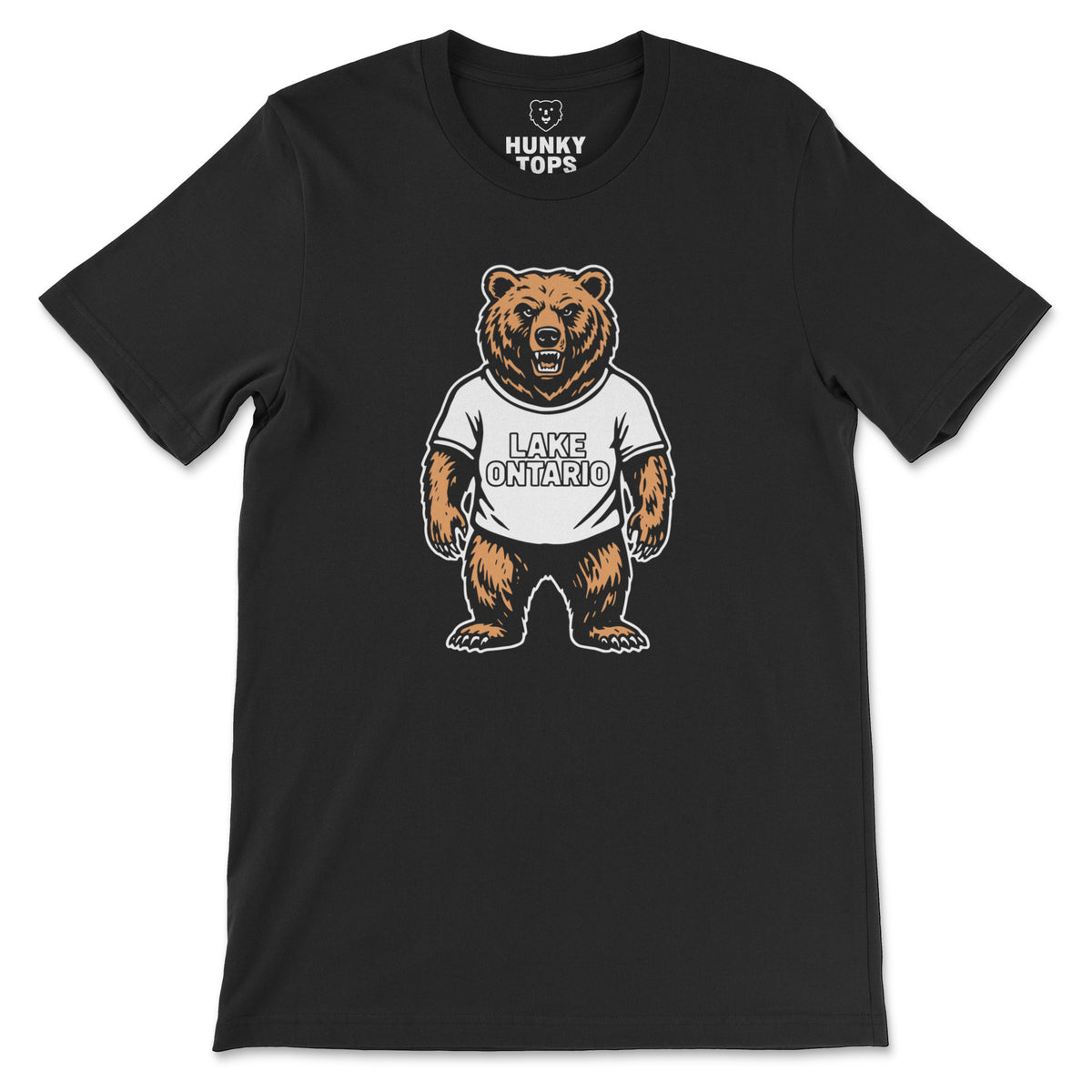
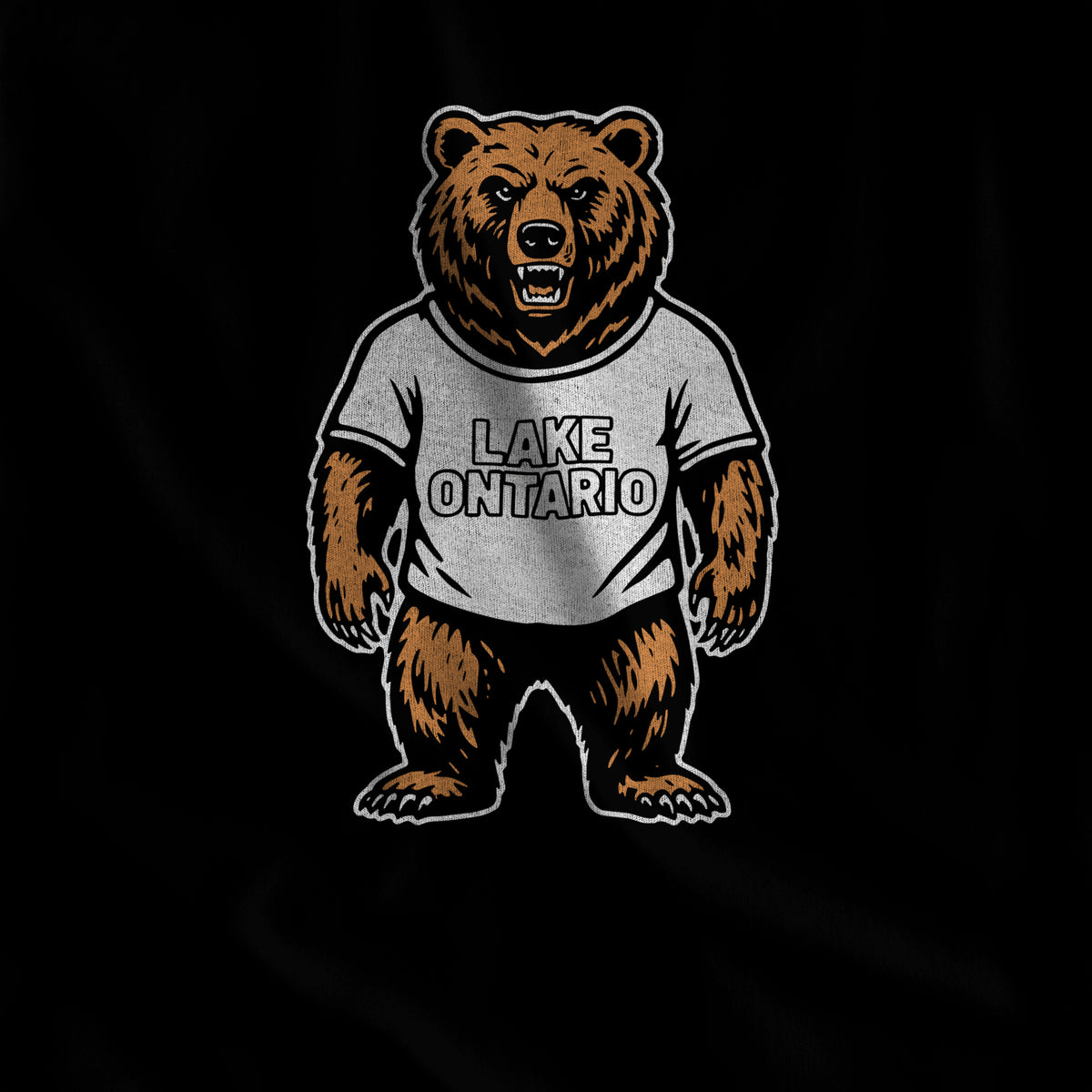
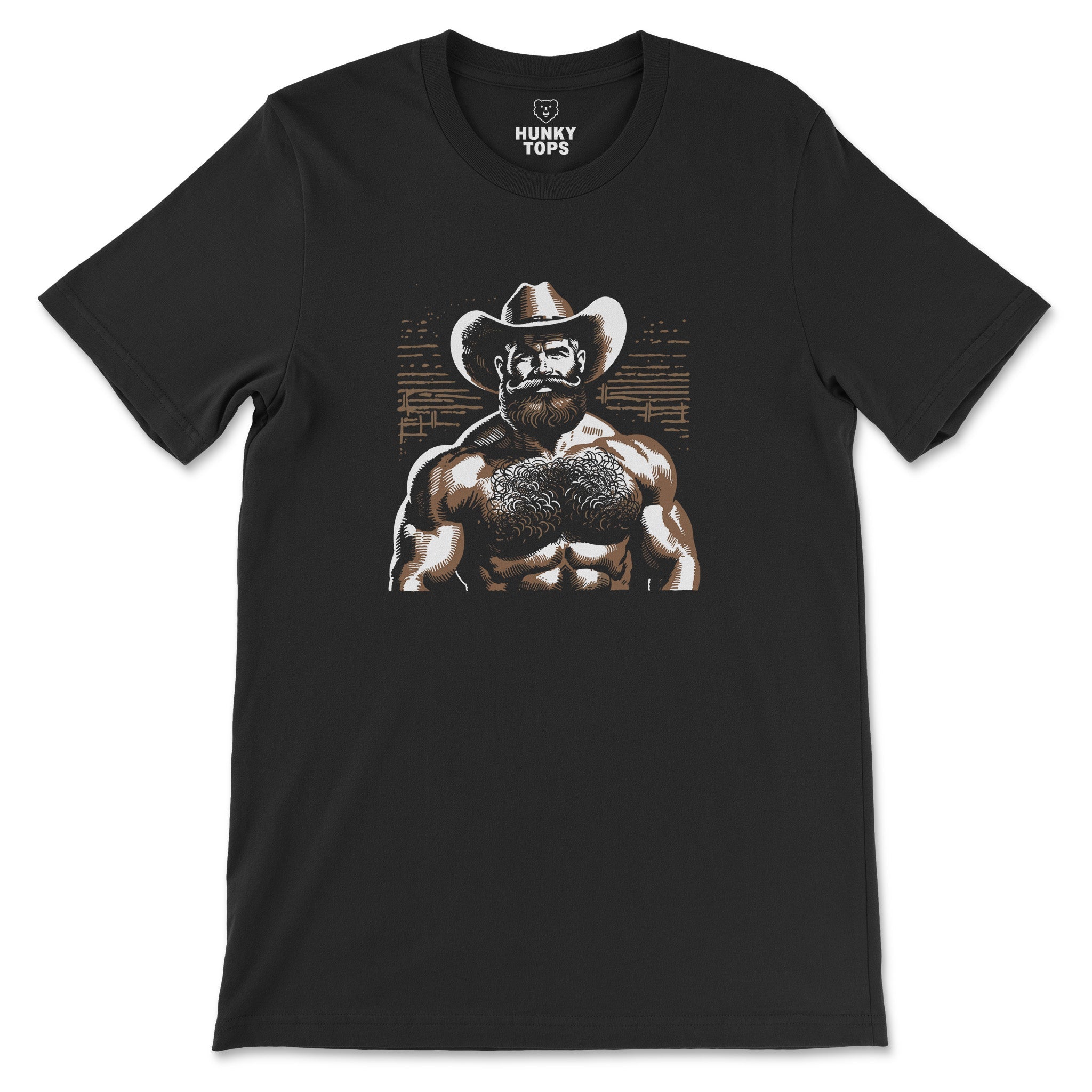
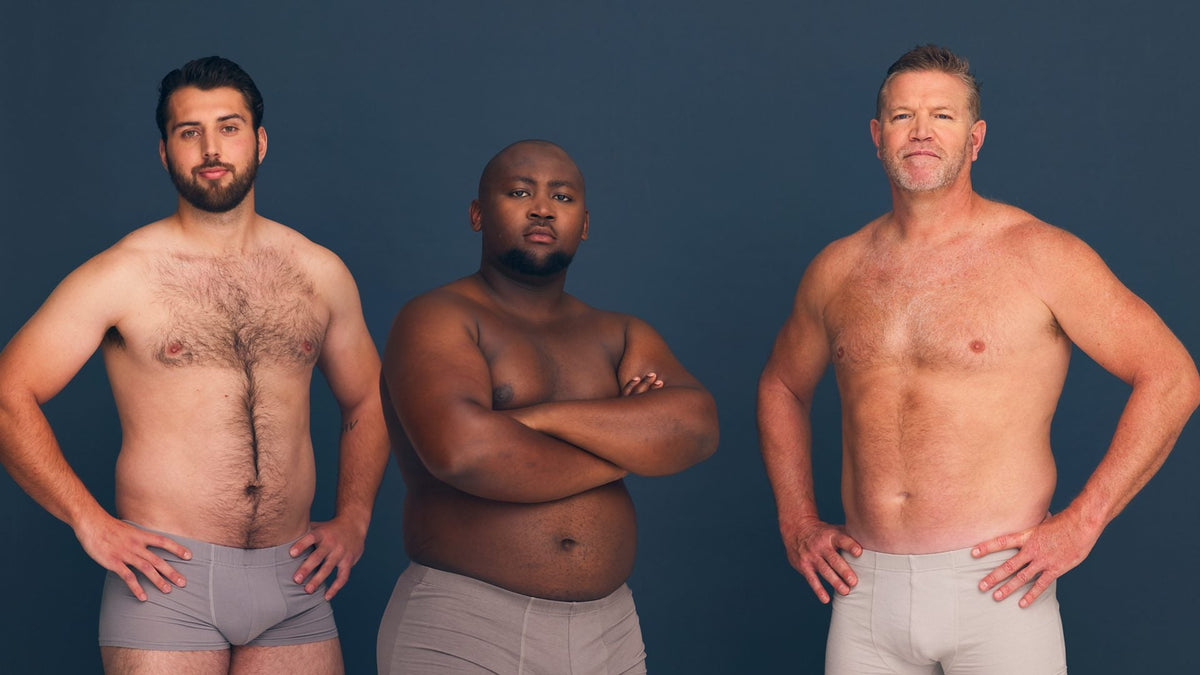
Big, hairy, bearded, comfortable. Larger chest and belly, and a presence that fills a doorway. The bear is the anchor animal, the one every other type gets defined against.
The thing outsiders miss is how much of bear is bearing. Mazzei said it in 1979 and the community has repeated it ever since: attitude makes a bear. It's a way of carrying yourself, a warmth, an ease with the body you actually have. Plenty of guys who'd never make it past a bouncer's idea of "bear" belong in that room, and everybody in the room knows it.
I've written a whole guide to this one, because it deserves it: Grin and Bear It: The Ultimate Guide to Bear Culture.
Cub
A younger bear, or a newer one. Sometimes smaller-framed, sometimes just earlier in the story. Cub carries a mentorship charge to it, the other half of the daddy dynamic, and a lot of guys move through cub on their way to bear the way the rest of us moved through "twink" and out the other side.
Worth saying: cub tracks where you are in the story, and the story runs on its own clock. I know 45-year-old cubs. They're having a great time.
Polar bear and the silver end
A polar bear is a bear who's gone grey or white. That's the whole definition, and I love that the community bothered to make a word for it, because the alternative was letting men disappear at 50.
This is the part of the taxonomy that does real work for our crowd. Somewhere in your forties, the grey arrives, and the scene has a category waiting that treats it as an upgrade. Silver fox, silver daddy, polar bear. Three different flavors of the same good news.
Otter
Lean and hairy. The otter runs slimmer than a bear, keeps the chest hair and usually the beard, and moves through bear spaces as a full member.
Ask an otter and he'll tell you he's his own animal, and he's right. The otter has a distinct energy: quicker, wirier, a little more mischief. Nobody can point to a first use of the word, which is fitting. Bear community sources trace it to informal use inside bear subculture, a playful extension of the animal system that spread by ear, and Pride puts its popularization in the 1990s. That's the same stretch when the bear world got busy writing itself down, in zines and then in Les K. Wright's The Bear Book in 1997.
If you've ever stood in a bear bar wondering which side of the line you fall on, congratulations, you're probably an otter, and the answer is that nobody's checking.
Wolf
Lean, muscular, hairy, and coded dominant. The build sits close to otter territory, and the difference lives almost entirely in demeanor.
The etymology here is older and rougher than most people assume. "Wolf" shows up as American slang for a sexually predatory or dominant man in prison and hobo vocabulary as far back as 1918, according to Green's Dictionary of Slang, decades before anybody was using it as a body type. The modern gay usage kept the dominance and dropped the menace. What's left is a compliment about intensity.
Some guys wear it as a top signal, some wear it as a temperament. Both readings are in circulation, which is very on brand for a vocabulary nobody officially administers.
The rest of the animals
Past the big three, the menagerie keeps going, and a fair amount of it is a running joke the community is in on.
Silver fox. Grey or silver-haired, sharp, aging into the good part. Adjacent to daddy, lighter on the hierarchy.
Pup. A word doing two jobs. Casually it means eager, playful, puppyish energy. It also names a specific kink community around pup play, with gear, handlers, and its own etiquette, which Pride dates to the 1990s. Context tells you which one somebody means, and it's fine to ask.
Pig. Enthusiastically sex-focused, often kink-forward. Pride traces the term to the leather and SM communities of the '60s and '70s, and it's worn as a badge by the people it describes.
Gym bunny, bull, giraffe. The list runs long and the edges are fuzzy. A few have real communities behind them. A few are mostly a punchline on an app profile.
That's the zoo. Now for the half of the vocabulary that never made it into the zoo at all.
The words that aren't animals
Here's the question I always get at this point. If this is the animal kingdom, what in the hell is Daddy doing in it?
Fair. And once you notice Daddy has no animal attached, you start seeing all the others that don't either.
The reason is simpler than it looks. Every animal word measures the outside. Size, hair, build, hair color. That's all the zoo was ever equipped to say about a man, so the community quietly built a second set of words for everything the animals couldn't reach. Two systems, running on the same street, used in the same breath.
Daddy
Age, bearing, and a certain steadiness. You can be a daddy at 38 and fail to be one at 60, and the hairy-versus-lean question is genuinely irrelevant. Daddies come in bear, otter, wolf, and none of the above.
What earns it: knowing what you want, saying so, and being calm about it. Being the guy other people organize themselves around at a party. Having a hand on the small of somebody's back that reads as "I've got this."
Chub
A big man, and a whole scene of its own. Here's the part most guides skip: the chub community organized itself first. Girth & Mirth formed in San Francisco in 1976, three years before Mazzei ever wrote the word bear in The Advocate, and chapters followed in Boston and New York. Chubby culture and bear groups started properly overlapping in the early '90s.
The zoo showed up late to a party that was already going.
Chaser
The man who's into chubs and says so. It's a word about desire, which puts it in a category of its own, and it carries a quiet dignity when a guy claims it out loud.
Twink
The word every one of us was measured against in our twenties, whether we wanted the job or not.
A note on labels
Every word in this guide is community shorthand. It's a way to find each other in a crowded room and signal what you're drawn to without a five-minute conversation. That's a genuinely useful thing, and it's why the vocabulary has lasted almost fifty years.
Where it goes wrong is when the words start operating as a rulebook. Nobody gets to tell you which animal you are. There's no chest-hair minimum, no scale, no committee. Guys move between categories over a lifetime, sit in two at once, or decline the whole system, and all of that is normal. The taxonomy exists to open doors. Anytime it's being used to close one, somebody's using it wrong.
I'd also say this gently to my own generation: the guys coming up now use some of these words differently than we did. That's what living language does.
Finding your tribe after 40
Here's what I actually think this whole zoo is for.
Mainstream gay culture spent decades running on a single body and a narrow window of youth. Then a group of men in the '80s and '90s built a parallel vocabulary where a belly was an asset, grey hair got its own word, and 50 made you more interesting. That's a serious piece of cultural engineering, and it worked as a rescue operation.
Which is why so many men hit their forties and discover the labels stop feeling like a cage and start feeling like an address. You aged into a room where the door had been propped open the whole time, waiting for you to notice.
If that's where you are right now, I've written more about it: The Glow-Up Nobody Warned You About, and The Hairy-Chested Hall of Fame for the icons who got a lot of us here in the first place. If your tribe's gotten small over the years, Why Gay Men Over 40 Don't Have Enough Gay Friends is the honest version of that conversation.
So. Which one are you? And more to the point, which one did you turn out to be after you stopped trying to be something else? Tell me in the comments.
I'll go first. People call me a bear constantly, and it holds up beautifully right until somebody sees my chest. I'm smooth. Going by this very field guide I land closer to chub, and chaser besides, which means I've been running a bear-heavy brand from just outside the enclosure this entire time.
Stay Hunky.